
CONNECT. NETWORK.
DEVELOP.

Where the community shapes the future of cloud native systems.

October 22, 2026 — Warsaw, Poland

Sponsors & Partners

CND Poland 2026 is made possible by organizations that believe in the Cloud Native community. We're finalizing this year's sponsor lineup — in the meantime, meet the partners supporting the conference, and see how your company can get involved.
Partners
Foundation Partner

CND Poland 2026 is proudly supported by the Cloud Native Computing Foundation.
Community Partner

In partnership with SysOps/DevOps Polska — Poland's largest SysOps & DevOps community.

Sponsorship Opportunities

Reach a highly engaged audience of developers, architects, and engineering leaders. We offer sponsorship packages ranging from focused visibility to headline presence on the main stage — full tiers, benefits and pricing are in the 2026 prospectus.

From KCD Warsaw to CND Poland

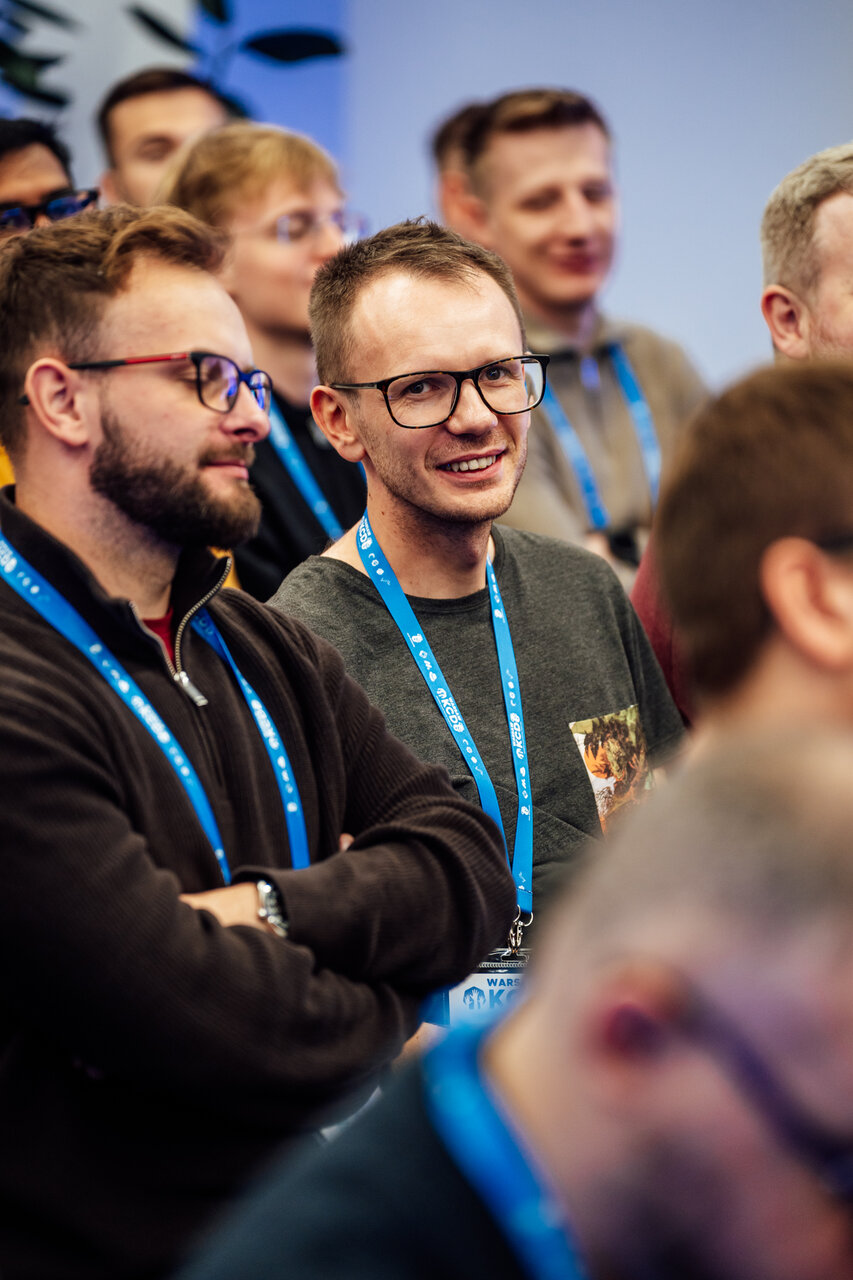
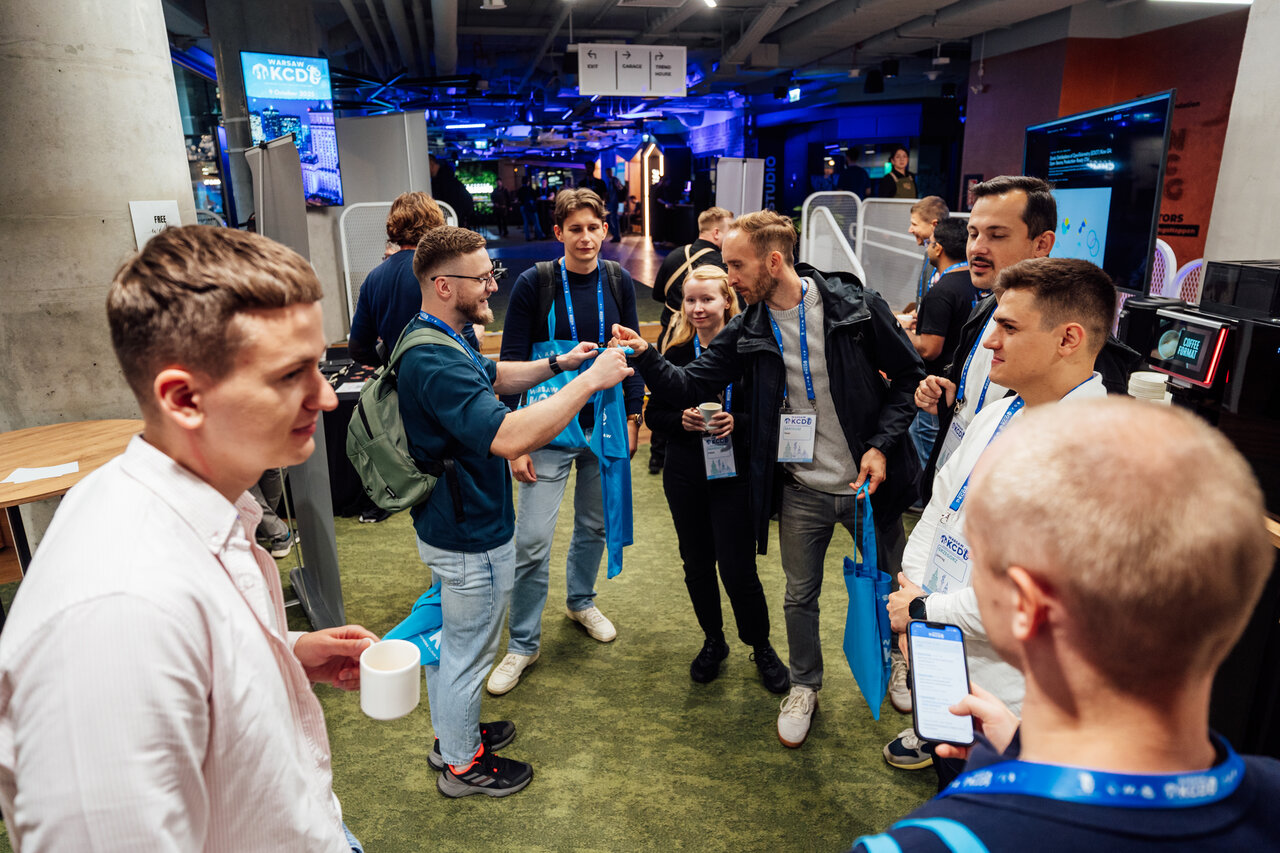
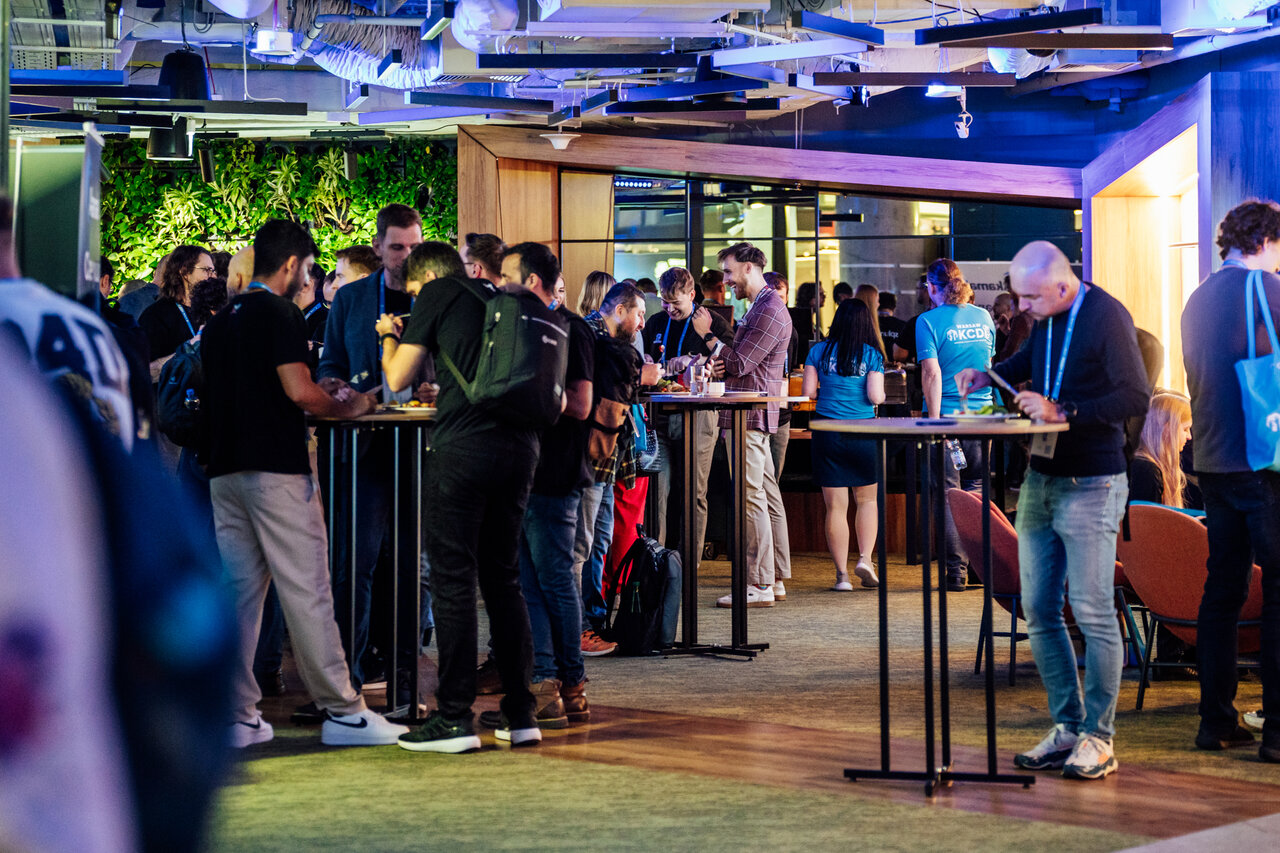
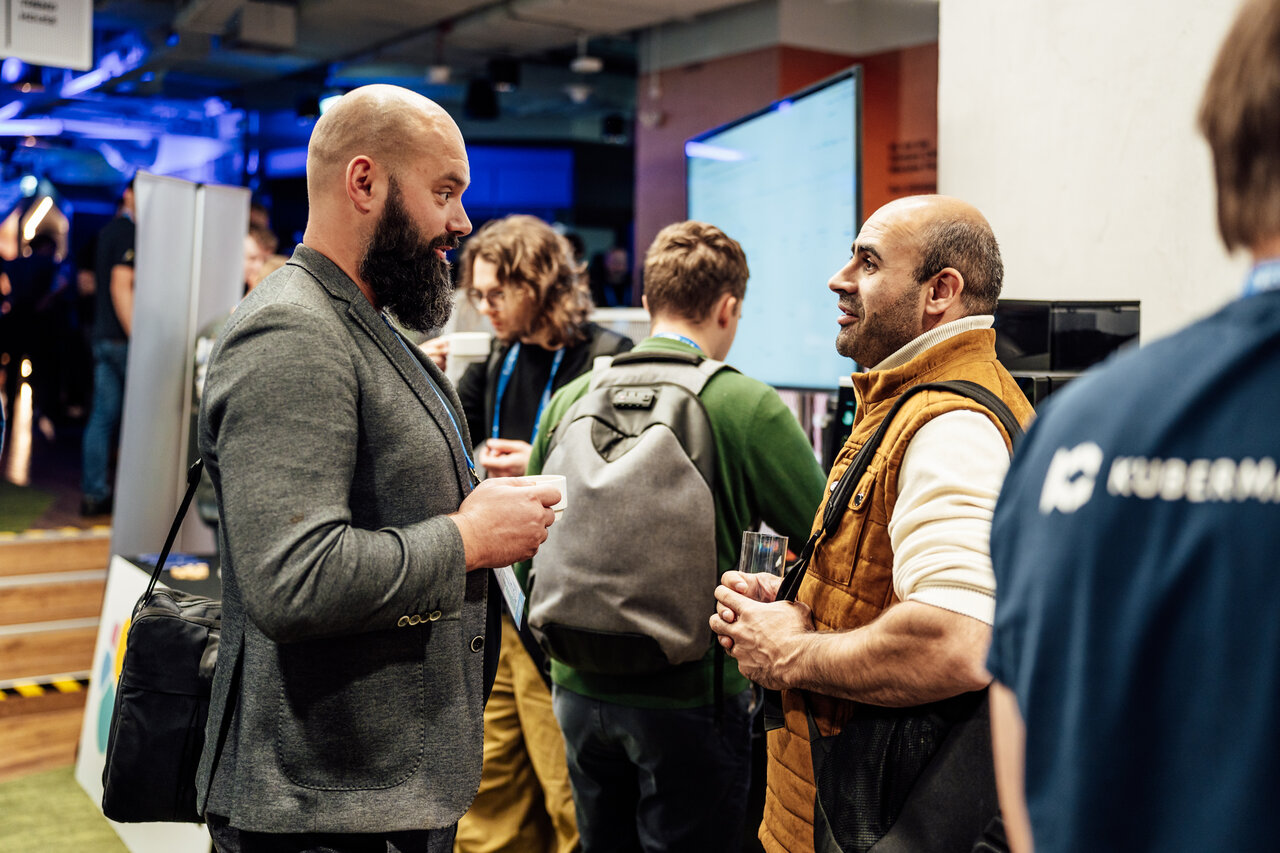
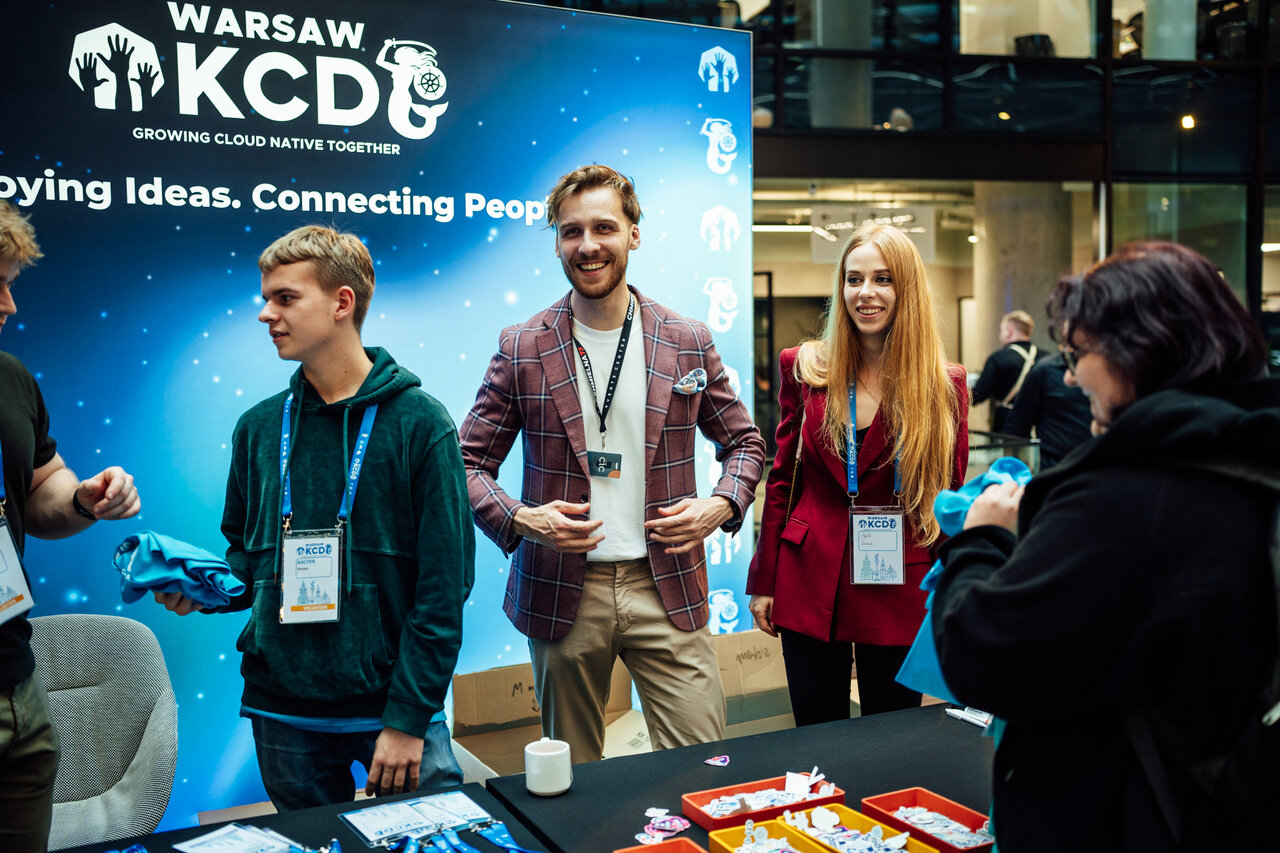
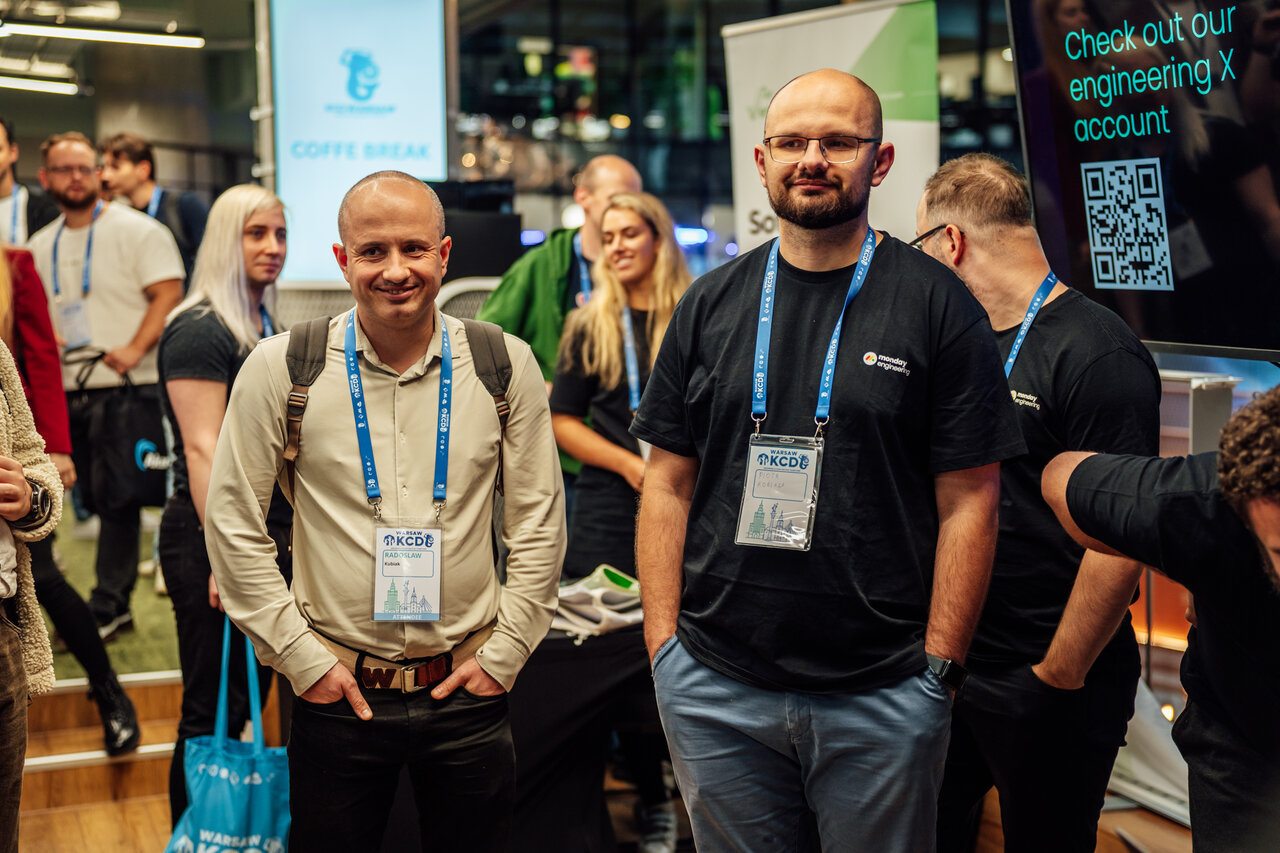
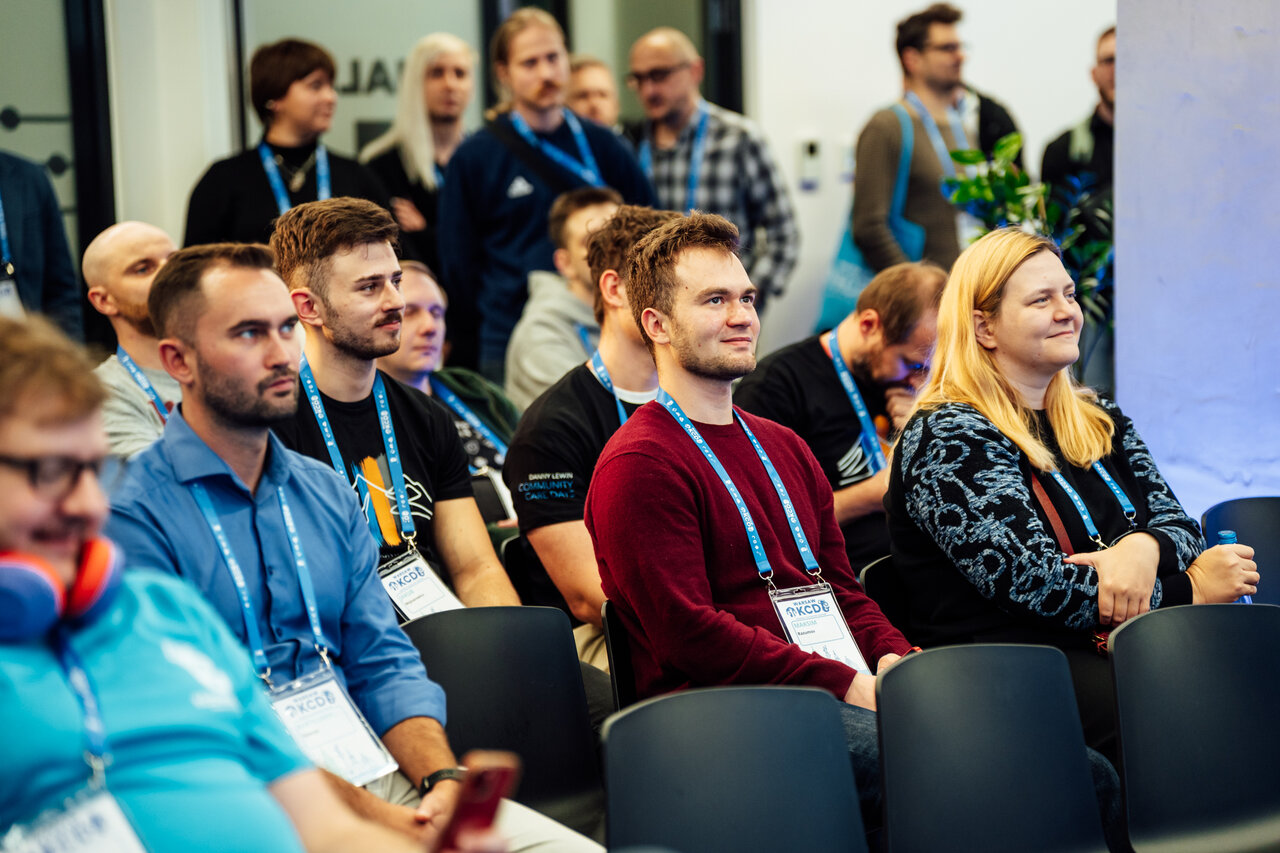
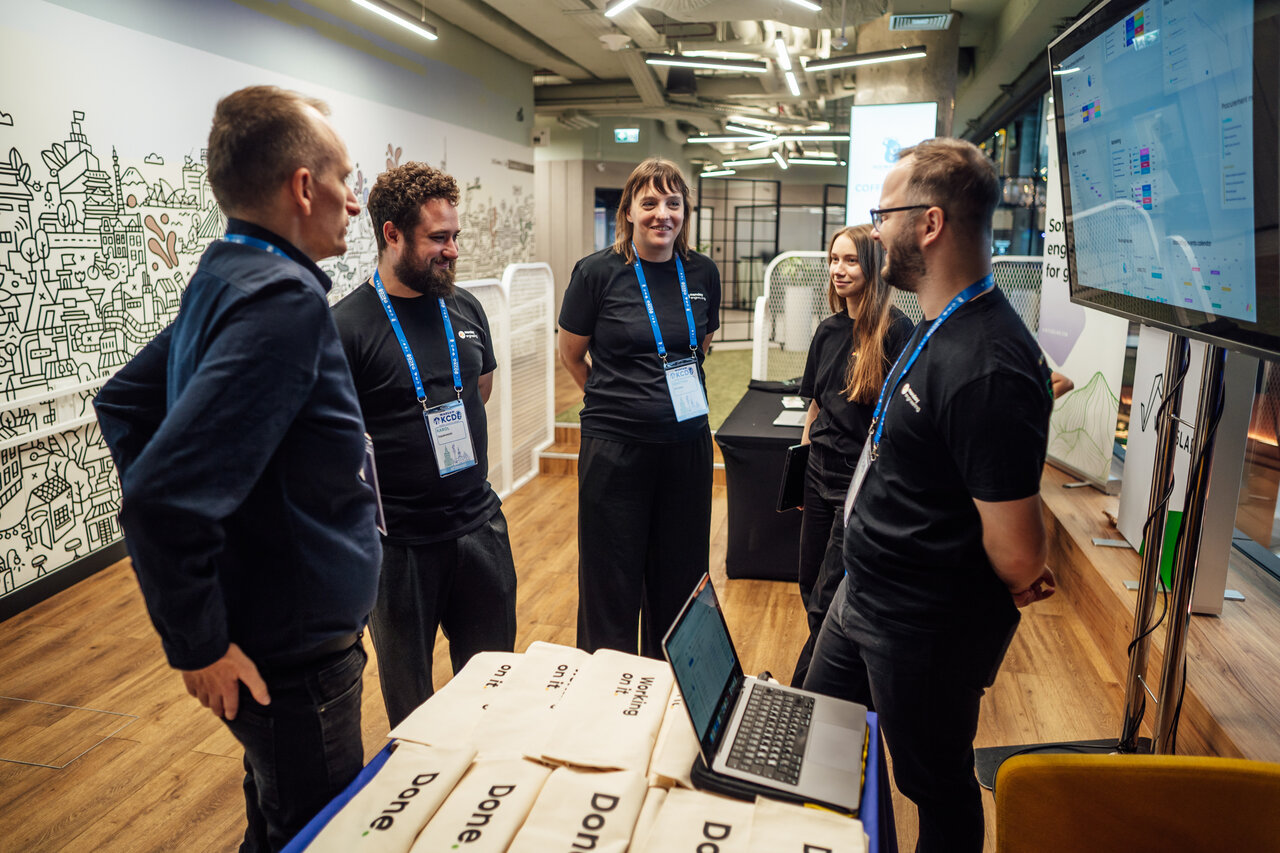
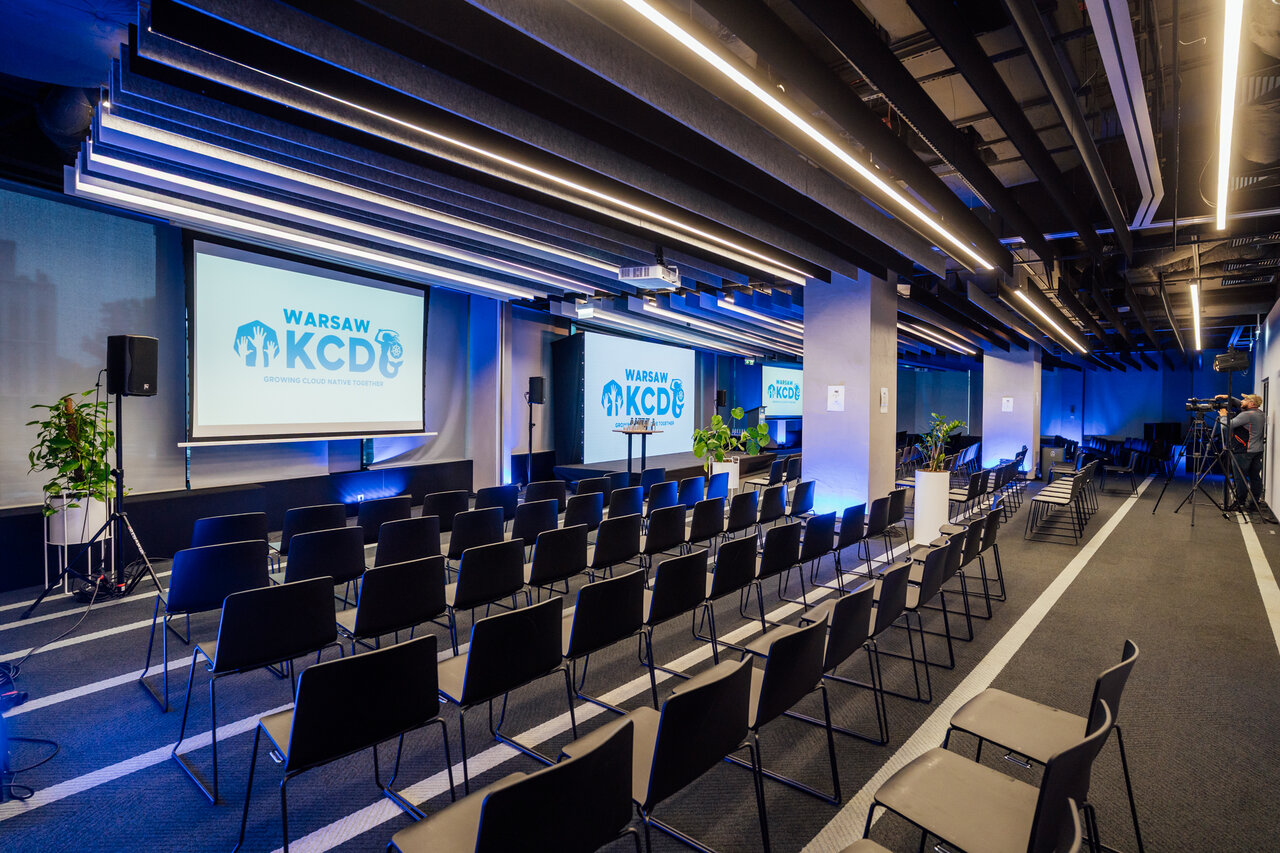
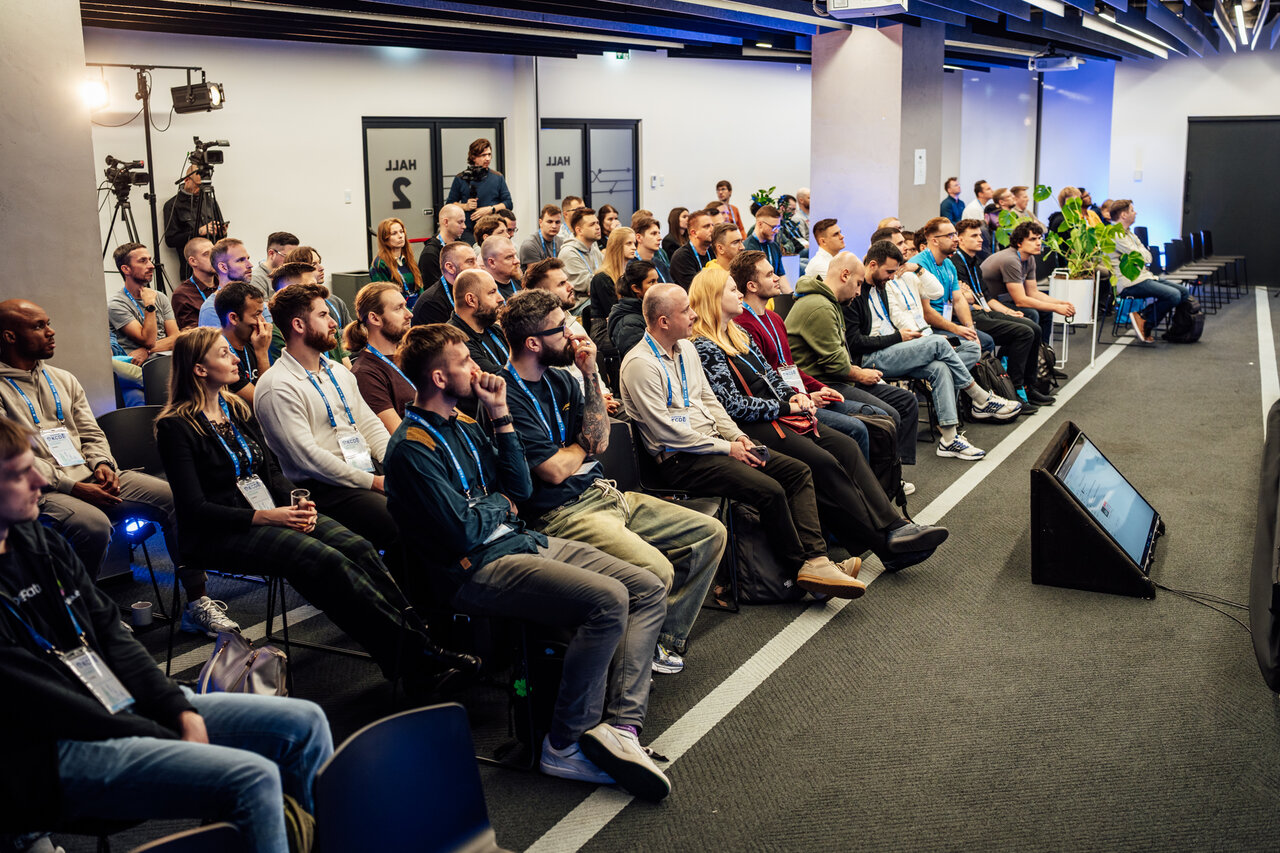
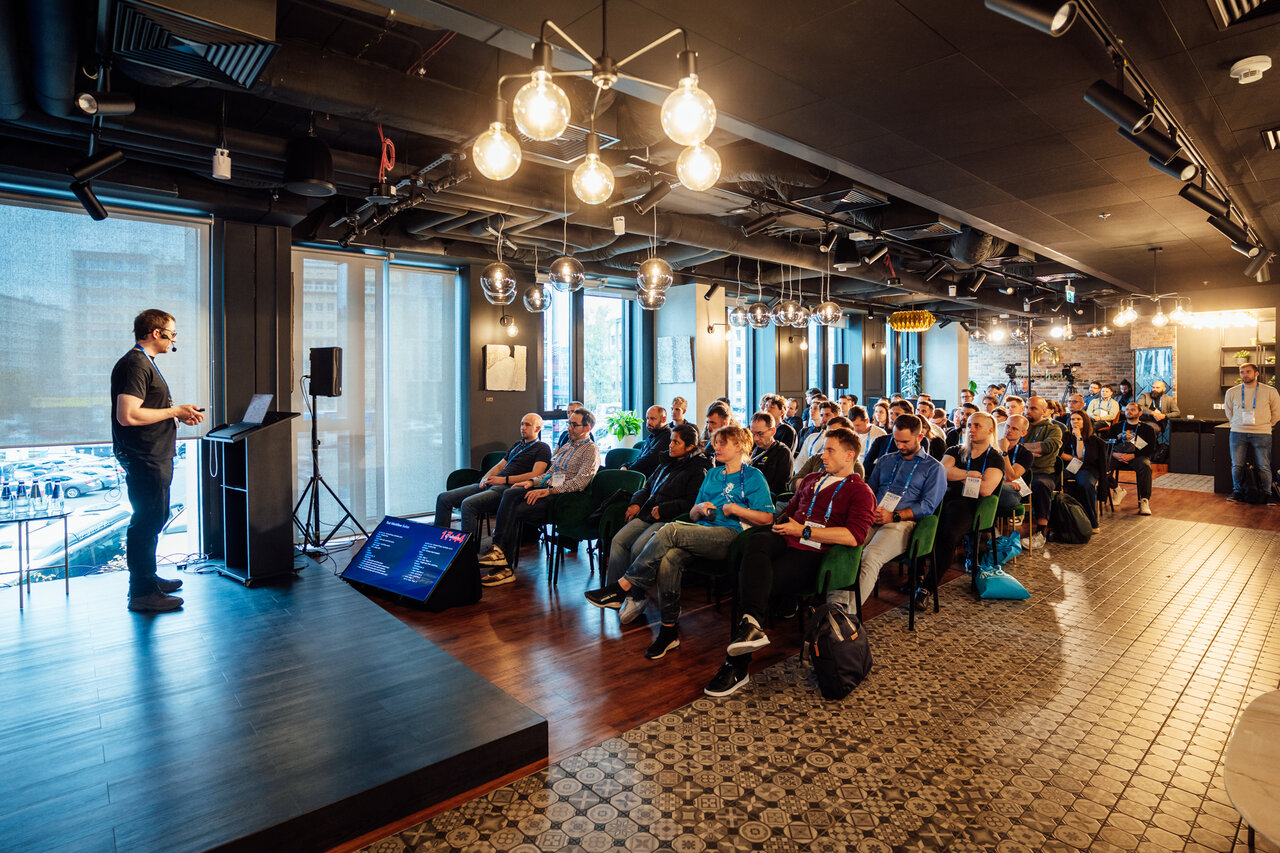
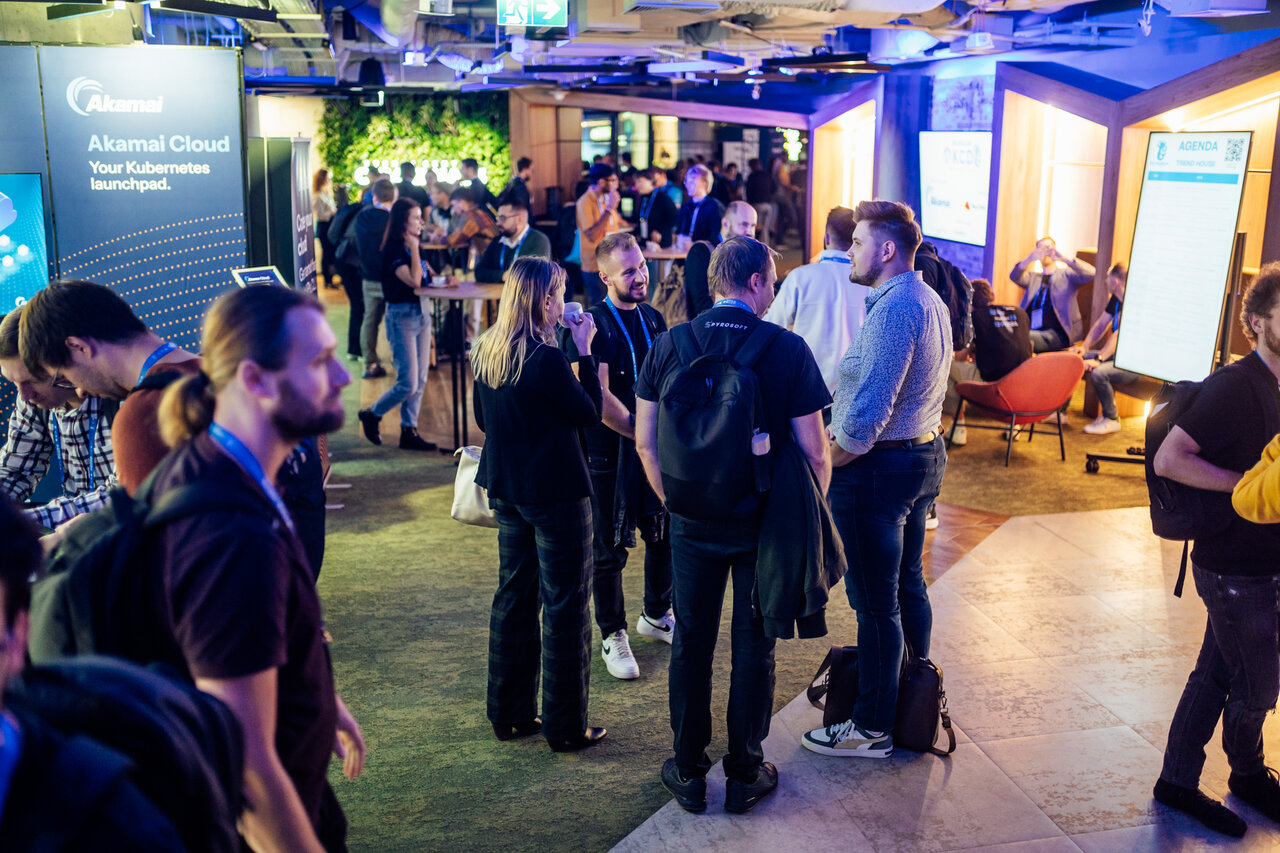
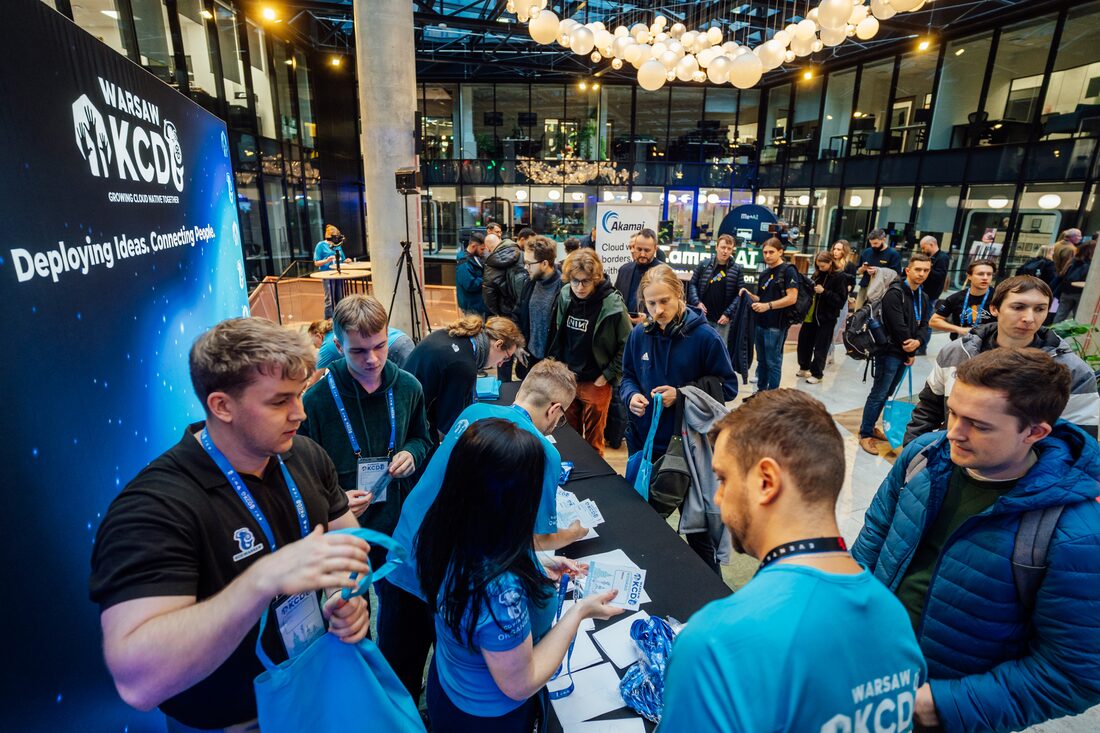
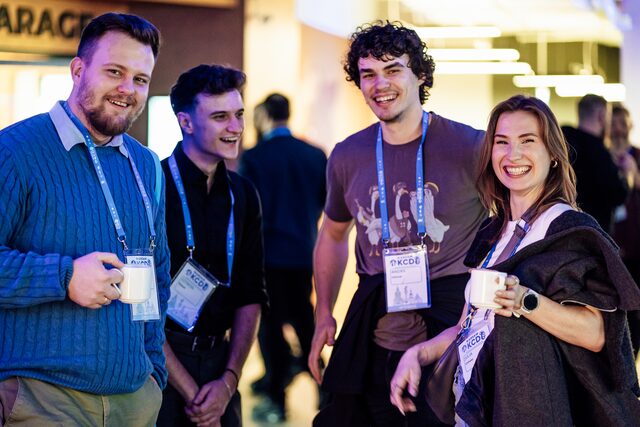
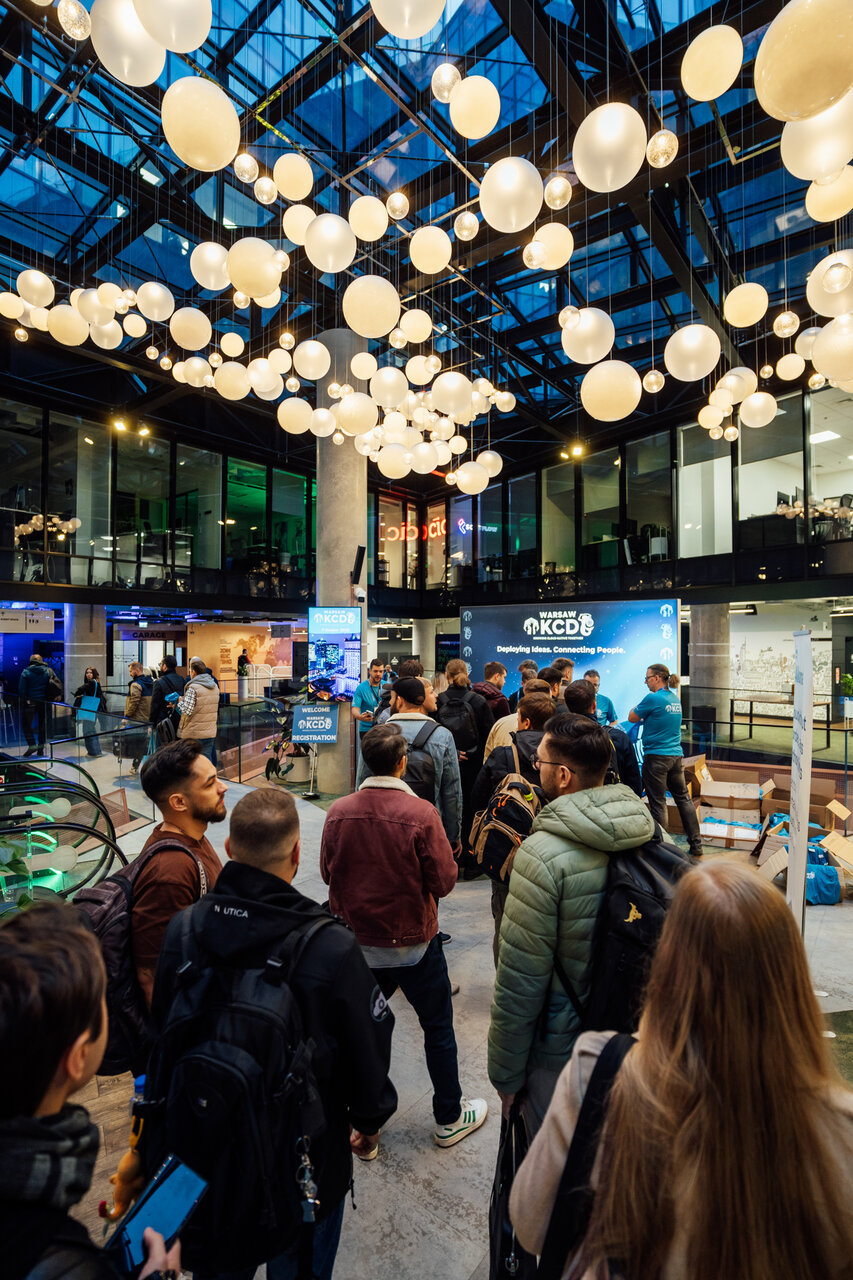
In 2025, our team organized KCD Warsaw 2025 — the first Kubernetes Community Days in Poland, bringing together over 200 developers and engineers. Now we're evolving into CND Poland — a broader conference covering Cloud Native, DevOps, software architecture, and beyond.

200+ Attendees in 2025
20+ Expert Speakers
1 Incredible Day

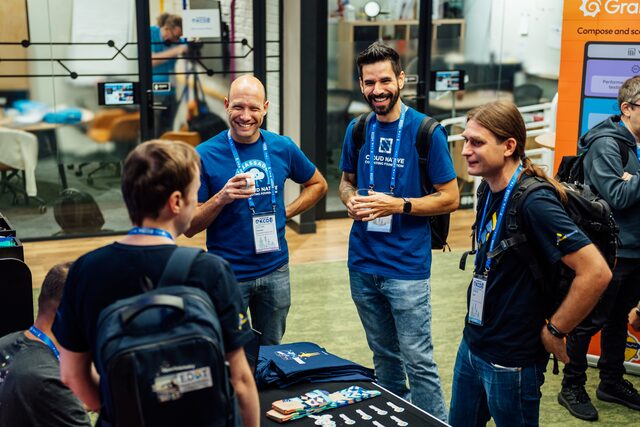
KCD Warsaw 2025 Highlights

Watch how the community came together last year.

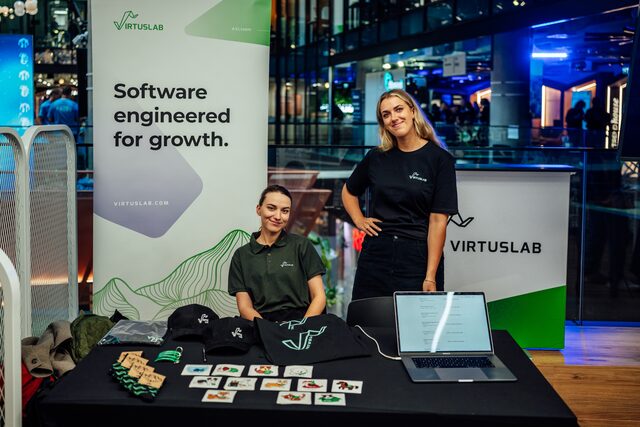
Smiling attendee at KCD Warsaw Networking and laughing at KCD Warsaw Attendees networking during break Two attendees chatting at KCD Warsaw Smiling team at KCD booth Attendees posing at KCD Warsaw Audience smiling during session Team chatting at sponsor booth

What to Expect

Inspiring Talks

World-class speakers sharing insights on Kubernetes, cloud architecture, security, and emerging technologies.

Networking

Connect with fellow engineers, architects, and technology leaders from across Poland and Europe.

Hallway Track & Fun

The best conversations happen between sessions — great coffee, food, and an after-party to keep the community spirit going.

Speakers

Meet our speakers for Cloud Native Days Poland 2026 — maintainers, CNCF ambassadors, and hands-on practitioners from across the Cloud Native ecosystem. Click any speaker for their bio and the full abstract of their talk.

More speakers announced as talks are confirmed — get updates so you don't miss the full agenda.

Keynote

Alex Chircop

Principal Engineer, Google · CNCF TOC

Principal Engineer at Google. Member of the CNCF Technical Oversight Committee. Previously Chief Architect at Akamai, a founder and CTO of Ondat (formerly StorageOS), building software defined solutions for cloud native environments, and a co-chair of the CNCF Storage TAG. Before embarking on the startup adventure he spent over 25 years engineering infrastructure platforms for companies like Nomura and Goldman Sachs.

The talk

The State of the Cloud Native Union

Marking its 11th year, the Cloud Native Computing Foundation (CNCF) joins a 12-year-old Kubernetes in a landscape where many technologies have matured into essential infrastructure. This keynote explores the current state of the ecosystem while pivoting toward the future, addressing how we are tackling emerging requirements for security, sustainability, and specialized workloads such as AI agents and inference.

In this session, we will cover:

  • A review of the project landscape and available reference architectures to help inform your strategic choices.
  • Insights into how the CNCF Technical Oversight Committee (TOC) and Technical Advisory Groups works, as well as ways for community engagement and contribution.
  • The evolution of established projects and the induction of new initiatives & projects designed to meet the latest ecosystem demands.
Keynote

Julia Furst Morgado

Principal DevRel Engineer, Dash0 · CNCF Ambassador

Julia helps teams improve system reliability, observability, and scalability by guiding the adoption of modern infrastructure and operational practices.

Beyond her work, Julia is a a Community Manager to the OpenTelemetry project, CNCF Ambassador, AWS Container Hero, Docker Captain, Google Women Techmakers Ambassador, and Girl Code Ambassador. She’s an active community leader who helps organize KCD NY, AWS Community Day NY, and the Cloud Native Meetup NYC.

The talk

The Trace I Never Instrumented

My path into tech makes no sense. Law school in Brazil. Business at Berkeley. Years in marketing. Every transition felt like starting over, like the previous spans didn't count. But I wasn't lost. I was uninstrumented.

This keynote uses OpenTelemetry as a lens to tell the story of my own non-linear path into cloud native, through distributed traces, context propagation, and blind spots in telemetry. The trace was always there. I just couldn't see it yet.

If you've ever had to justify why you're here, this talk is for you.

Keynote

Adriana Villela

Principal Developer Advocate at Dynatrace

Adriana Villela is a blogger, host of the Geeking Out podcast, CNCF Ambassador, and maintainer of the OpenTelemetry End User SIG. By day, she focuses on Observability and OpenTelemetry, as a Principal Developer Advocate at Dynatrace. By night, she climbs walls. She also loves capybaras, because they make her happy.

In past lives, Adriana managed both a Platform Engineering team and Observability Practices team at Tucows. She has also worked at various large-scale enterprises as both an individual contributor and leader, including Bank of Montreal, Ceridian, and Accenture.

The talk

Zen AI Cohabitation: How I learned to embrace the slop

with Adriana Villela, Josh Lee

Our tech lives are surrounded by AI. Everywhere we look: social media posts, videos, blog posts, and code. Companies expect employees to embrace AI, but at what cost? And what’s it doing to our mental health? While it’s satisfying to create with AI, it feels like we’re also losing a bit of our humanity and creativity along the way.

In this talk, Adriana and Josh look at how the world of technology has changed due to the AI boom, and how we can lean on our AI minions to produce meaningful, creative, non-slop work.

Keynote

Josh Lee

Developer Advocate @ Altinity

Whether it’s operators or observability, agile or accessibility, my expertise shines because I’m passionate about all of it. I’ve been building software for more than a decade and I love sharing experiences via public speaking. I’m currently a Developer Advocate for Altinity where I help create educational content about ClickHouse and OpenTelemetry, and I am a contributor to the OpenTelemetry project.

The talk

Zen AI Cohabitation: How I learned to embrace the slop

with Adriana Villela, Josh Lee

Our tech lives are surrounded by AI. Everywhere we look: social media posts, videos, blog posts, and code. Companies expect employees to embrace AI, but at what cost? And what’s it doing to our mental health? While it’s satisfying to create with AI, it feels like we’re also losing a bit of our humanity and creativity along the way.

In this talk, Adriana and Josh look at how the world of technology has changed due to the AI boom, and how we can lean on our AI minions to produce meaningful, creative, non-slop work.

Jan Bronicki

Software Engineer, Microsoft · Flatcar Maintainer

Jan Bronicki is a software engineer at Microsoft and a maintainer of Flatcar Container Linux, a CNCF project that provides a minimal, secure, and immutable operating system for running containers at scale. He is passionate about open source, cloud native infrastructure, and building reliable systems through collaboration. His work spans operating system maintenance, automation, security, and community-driven development.

The talk

Operating Systems as Code: The Missing Layer in Cloud Native Platforms

Infrastructure teams already use declarative tools for applications, clusters, and cloud resources: Dockerfiles, Kubernetes manifests, Helm charts, GitOps workflows, and CI/CD pipelines. Yet the operating system underneath the platform is often still treated differently: installed interactively, changed over time, and repaired manually when something breaks.

This talk explores the idea of “Operating Systems as Code”: treating the host OS as a versioned, declarative artifact that is provisioned rather than installed. Using Flatcar Container Linux, Ignition, and Butane as concrete open source examples, it shows how first-boot configuration, immutable root filesystems, and automated updates fit into cloud native platform design.

The session focuses on the mindset shift for platform teams: what should be declared up front, what should move into containers or automation, and how this model changes debugging, upgrades, and long-term maintenance of Kubernetes hosts.

Svitlana Chaplinska

Security Engineer @ Metacore Games

🔐 Security engineer at the intersection of tech and risk.

✨ Making cybersecurity accessible and empowering.

💛 HelSec volunteer & Women4Cyber Youth Ambassador.

The talk

What Could Go Wrong? Threat Modeling Kubernetes in 5 Minutes

What if securing your Kubernetes cluster were as simple as asking straightforward questions? In this lightning talk, we’ll explore a practical way to understand common Kubernetes risks and how to approach them through threat modeling. You’ll learn to identify potential security issues early and think systematically about what could go wrong. Whether you’re new to Kubernetes or a seasoned professional, this talk provides a clear approach to assessing security risks.

Yair Etziony

Founder, False Systems · CD Foundation Ambassador

Yair Etziony is the founder of False Systems and a 30-year veteran of infrastructure and operations. His career spans the "Iron Age" of VAX/VMS and hand-crimped cables to the complex "Infrastructure Inception" of modern cloud-native systems.

A CD Foundation Ambassador and founder of Polar Squad Germany, Yair is a veteran speaker at DevOpsDays Berlin and a co-organizer of the Berlin DevOps Meetup.

The talk

After Docker: Isolation for Agentic Workloads

Isolation was a solved problem in 2000, just not in the way the industry remembers it.

FreeBSD Jails were not stronger than everything that came after. They were coherent: one kernel-level boundary, designed as a boundary, and auditable as a single thing. Solaris Zones refined the same idea a few years later.

Then Linux containers took a different path.

Docker did not win because it was the purest isolation model. It won because it made containers usable. It gave developers a clean interface, a simple workflow, a good mental model, and a way to package and run software without caring too much about the machinery underneath. That mattered. Good developer experience beat a cleaner theory of isolation, and for the workloads of the time, that was mostly the right trade.

A service was usually predictable. It had a known filesystem shape, a known network posture, a mostly stable syscall surface, and most of its behavior was decided before runtime. You could build an image, ship it, constrain it, observe it, and move on.

Agents break that assumption.

An agent can spawn subprocesses at runtime. It can call endpoints nobody hardcoded. It can write to paths created from context gathered mid-run. It can use credentials, tools, plugins, prompts, generated code, and remote APIs as part of one execution flow. The behavior that matters is no longer fully visible when the container starts.

Agents also do not carry the operational judgment humans quietly rely on. They do not naturally understand ownership, blast radius, production etiquette, or the difference between “technically allowed” and “obviously a bad idea.” They can follow instructions and use tools, but they do not share the human context that usually stops an operator before the damage happens.

That is why the old isolation question comes back.

Not because Jails or Zones should simply return as they were. And not because Docker was wrong. Docker solved usability for a generation of software delivery. But agentic workflows expose a different problem: how do you isolate something whose shape is discovered while it runs?

This talk traces the line from Jails and Zones to Docker and Linux containers, and then asks what should be revived for the agentic era. The answer is not nostalgia. It is old ideas rebuilt with new mechanisms: coherent boundaries, runtime policy, and isolation-first design for workloads that no longer know their own edges in advance.

eBPF LSM is one possible way Linux can get there. It matters because it lets policy live close to the kernel boundary while still being programmable at runtime. But the larger point is simpler: the next runtime should not only be easy to use. It should be built for the strange, dynamic, semi-informed workloads we are now creating.

Wojtek Gawroński

Developer Advocate, Unleash

Wojtek is a software engineer and architect with more than 15 years of hands-on experience in IT, who developed “spotlight addiction”, which led him to developer relations to discover that empowering, educating, and learning from technical communities is the best way to grow as an engineer.

Wojtek’s experience comes from working at software houses, startups, enterprises, and large-scale cloud platforms (ex-AWS). He also worked as an IT consultant and co-founder of a cloud-native consultancy that supported 20+ customers in Europe and the US with their cloud computing adoption and DevOps transformations. Throughout his career, he contributed in various roles across the software development lifecycle (from developer and architect to team leader and individual contributor), as well as in content creation, technical education, and as a university lecturer.

At Unleash, Wojtek is genuinely inspired by FeatureOps' mission and is applying it to the enterprise landscape to build the right software, in the right way, without sacrificing velocity and confidence.

The talk

Reversibility as a Service: The Property Your Platform Needs
Mature cloud native platforms provide shared capabilities so teams don't have to reinvent them: CI runners, observability pipelines, and secret management. But one property - instantly, safely, and accountably undoing a change - is rarely provided as a service. Teams build their own escape routes - badly, in parallel.

This talk argues that by applying FeatureOps deliberate practice, reversibility will be the single property that unifies progressive delivery, surgical rollback, experimentation, and chaos engineering, and shows what it means to deliver it as platform infrastructure. You'll leave with a concrete reversal-cost ladder for your own stack - and a reason to put one capability on the roadmap.

Kateryna Hrytsaienko

Senior Software Engineer · GDG Kyiv Co-Lead

Hi there, nice to meet you! I’m Kateryna 👋

I’m a Senior Software Engineer, Security Champion, and MLOps stan. My mission? De-gatekeeping machine learning operations and making them actually accessible for every developer. After playing the field with Azure and AWS, I’ve officially caught feelings for GCP☁️✨

When I’m not deep in the codebase, I’m leading GDG Kyiv, repping as a Women Techmakers Ambassador, or lecturing at KPI and KSE. Whether I’m helping students ship production-ready Java/Spring Boot architectures or dropping deep dives on Medium(https://medium.com/@ekatereanagricaenko), I’m here for the community, the mentorship, and the "more is more" approach to impact 🚀🔥

The talk

One Brain, Many Skills: How to Serve 100 Models on One Foundation
Why move a mountain when you can just swap a brick? The first instinct for many MLOps enthusiasts is to deploy a full model for every specific task—but that’s an infrastructure nightmare.

The smarter way? Build your ML like a Lego constructor. In this talk, I’ll show you how to take one powerful foundation like Gemma 3 and "snap on" tiny, specialized LoRA adapters to handle 100 different tasks. You get all the intelligence of a massive LLM without the heavy lifting

What we will explore:

  • Training LoRA adapters instead of re-training the whole model.
  • Using TGI to hot-swap these specialized skills in milliseconds.
  • Orchestrating it all with GCP Inference Gateway to maximize efficiency

Moritz Johner

Staff Engineer, Form3

Moritz is a platform architect, Open Source maintainer and contributor in the Kubernetes Ecosystem with a strong interest in information security and automation. He's employed at Form3 and currently operating a true multi-cloud Kubernetes platform across three cloud providers and bare-metal.

The talk

Boring Work Is Where Agents Actually Start Paying Rent

The best enterprise use case for agents is not glamorous. It is the work every engineer agrees matters, every team deprioritizes, and every security review eventually drags back into the room.

CVE remediation is the perfect example because the small-scale story is so seductive: bump the dependency, run CI, merge the PR and move on. That story collapses when you own thousands of repositories. Now the hard part is not the patch. It is finding the right artifact, proving the right fix, reconciling CI, containing the agent, and producing enough evidence and observability for people to trust the outcome.

This talk is a production case study of PatchPilot, an agentic remediation platform built in a regulated industry. I will show how we moved from prototype to production with controller loops, remediation agents, CI reconciliation, approval boundaries, egress controls, observability, and metrics that proved whether the system was creating value or just burning tokens.

The hard part was not getting an agent to open a pull request. The hard part was making it constrained enough for infosec and useful enough for engineers. This is the story of what failed, what changed, and why boring work might be the best place for agents to prove they belong.

Nikhil Kumar

DevOps & Platform Engineer

Nikhil Kumar is a DevOps and Platform Engineer with hands-on experience in Kubernetes, automation, cloud-native systems, and MLOps. He works across container platforms, CI/CD, infrastructure automation, and model-serving workflows, with a focus on building reliable and scalable platforms. Nikhil enjoys breaking down complex technical concepts into clear, practical steps that teams can apply in real environments.

The talk

Running Multi-Tenant GPUs on Kubernetes with NVIDIA GPU Operator and MIG

GPUs are often the most expensive resources in a Kubernetes cluster, and many workloads use only a fraction of their capacity. In this session, I'll demonstrate how to build a multi-tenant GPU platform using NVIDIA GPU Operator and Multi-Instance GPU (MIG). I will walk through GPU Operator deployment, GPU discovery and scheduling in Kubernetes, and how MIG enables a single physical GPU to be securely shared across multiple workloads. Using a combination of hands-on demonstrations, architecture walkthroughs, and real-world examples, I'll explain how MIG is configured and managed in Kubernetes environments. I'll also cover practical operational considerations, common challenges, and lessons learned from running GPU workloads in production. By the end of the session, attendees will understand how to improve GPU utilisation, reduce infrastructure costs, and run AI workloads more efficiently on Kubernetes.

Artem Lajko

Head of Platform Engineering, iits-consulting

Artem Lajko, certified CNCF Kubestronaut and Head of Platform Engineering, specializes in Kubernetes scalability and GitOps-driven workflows. He is the author of Implementing GitOps with Kubernetes and an IT freelancer writing for various publishers. As a Platform Engineering Ambassador, he supports companies and the community in adopting Platform Engineering, Internal Developer Platforms, and related technologies. Passionate about Open Source, he helps organizations choose the right tools, driving tech adoption and innovation.

The talk

Predicting GitOps at 15,000+ Clusters: What Large-Scale Testing Taught Us

with Artem Lajko, Gianluca Mardente

Most Kubernetes platforms and GitOps tools are designed for organizations operating between 10 and 300 clusters.

But a different category begins when organizations operate between 1,000 and 10,000 clusters across edge, retail, telecom, IoT, supermarkets, or franchise environments. At this scale, many GitOps architectures and tools start to break down, even with HA setups and extensive tuning.

Public scaling data at this level is limited because these environments are rare, expensive, and difficult to reproduce realistically.

In this talk, we share how we approached predicting the operation of 15,000+ Kubernetes clusters based on a real-world customer requirement. Using large-scale GitOps load testing in a hub-and-spoke architecture, we explored scaling limits, bottlenecks, infrastructure costs, and operational trade-offs within a budget of roughly €100,000.

The session also covers what our findings may tell us about the future of GitOps at extreme scale with Argo CD and Sveltos.

Gianluca Mardente

Principal Engineer, Ciroos AI · Projectsveltos Maintainer

A passionate advocate for automation in Kubernetes environments, Gianluca brings a lot of experience to his role as a Principal Engineer at Cisco Systems. Previously, he built his Kubernetes skills at Tigera, the company behind the open-source Project Calico. Now, he continues to contribute to the open-source community by actively maintaining Projectsveltos, a set of Kubernetes controllers that simplify add-on and application management across multiple clusters.

His dedication extends beyond Projectsveltos with k8s-cleaner, another Kubernetes controller he maintains. This tool streamlines cluster efficiency by automatically identifying and removing unused or unhealthy resources.

In his free time, Gianluca enjoys spending time with his family and participating in fantasy soccer, managing two leagues.

The talk

Predicting GitOps at 15,000+ Clusters: What Large-Scale Testing Taught Us
with Artem Lajko, Gianluca Mardente

Most Kubernetes platforms and GitOps tools are designed for organizations operating between 10 and 300 clusters.

But a different category begins when organizations operate between 1,000 and 10,000 clusters across edge, retail, telecom, IoT, supermarkets, or franchise environments. At this scale, many GitOps architectures and tools start to break down, even with HA setups and extensive tuning.

Public scaling data at this level is limited because these environments are rare, expensive, and difficult to reproduce realistically.

In this talk, we share how we approached predicting the operation of 15,000+ Kubernetes clusters based on a real-world customer requirement. Using large-scale GitOps load testing in a hub-and-spoke architecture, we explored scaling limits, bottlenecks, infrastructure costs, and operational trade-offs within a budget of roughly €100,000.

The session also covers what our findings may tell us about the future of GitOps at extreme scale with Argo CD and Sveltos.

Kasper Borg Nissen

DevRel & Product, Dash0 · CNCF Ambassador

Kasper is a CNCF Ambassador, former KubeCon+CloudNativeCon Co-Chair, Golden Kubestronaut, KCD Organizer, and CNCG Group Organizer. He co-founded Cloud Native Nordics to unite meetups across the region. At Dash0, he helps make observability easy for developers by advocating for better tooling, best practices, and seamless integrations. Bridging observability and platform engineering, he ensures developers stay productive and gain actionable insights exactly when needed.

The talk

Rethinking Observability as a Platform Product

Many organizations still treat observability as a tooling decision: select a vendor, deploy agents, and expect insight to follow. Yet teams continue to struggle with fragmented signals, rising complexity, and slow incident response. The real issue is rarely the tool itself - it’s the absence of a shared foundation and a coherent product experience.

This talk reframes observability as an internal platform product, designed with clear users, sane defaults, and long-term evolution in mind. Drawing parallels to Kubernetes and platform engineering, we’ll explore why powerful primitives are not enough - and why standardization, correlation, and paved paths matter more than features.

We’ll look at how OpenTelemetry provides a vendor-neutral foundation for structured telemetry, decoupling instrumentation from backends and enabling correlation by default. This structured approach not only reduces cognitive load and improves reliability, it also lays the groundwork for AI-assisted debugging and natural language interaction with production systems.

Observability isn’t just about collecting more data. It’s about designing a platform that makes understanding systems easier - for both humans and machines.

Marcus Noble

Platform Engineer, Monzo · Cloud Native Ambassador

Marcus is a platform engineer at Monzo, a UK based bank committed to making money work for everyone, helping build their infrastructure platform. His main area of focus in recent years has been around Go, Kubernetes, containers and DevOps but originally started out as a web developer and JavaScript enthusiast. A self-described “tinkerer”, when not building Kubernetes solutions, Marcus likes to dabble with 3D printing and experimenting with smart home tech.

The talk

Kube-Oddities - the quirks that keep Kubernetes interesting
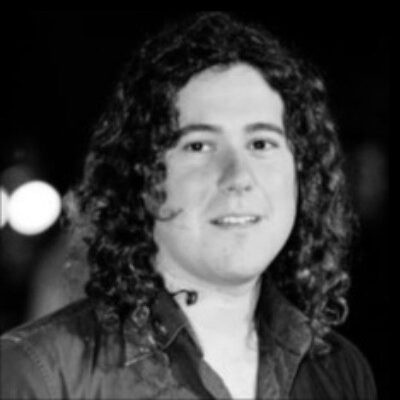
with Marcus Noble, Márk Sági-Kazár

I'm sure we all agree, Kubernetes is *amazing*. But sometimes, it’s also... confusing. That’s why Marcus and Márk are here to deliver a brutally honest (and thoroughly entertaining) deep dive into the "Kube-Oddities" - those baffling decisions, peculiar behaviors, and downright WTF moments that make this platform so uniquely interesting.

Let’s ditch the sales pitches and feature announcements. We’re diving down the rabbit hole. We'll explore the weirdness surrounding sidecars, the baffling behavior of image tags, and the downright confusing default behavior of Pod DNS.

This isn’t a technical lecture, it's a fun chat among friends, a shared experience of frustration and occasional triumph. Join Marcus and Márk as they unpack the quirks that keep you constantly questioning, and hopefully, leave you with a deeper appreciation (and a slightly more skeptical eye) for the world of Kubernetes. Prepare for laughter, head-scratching, and maybe just a few ‘WTF?’ moments.

Tal Nordan

Envoy Contributor · Independent

An early contributor to the Envoy proxy project, now working on developing tools to detect and mitigate inefficiencies in the way services interact with each other. Over the years Tal has been a founding engineer and a contractor working on a wide variety of cloud-native data-plane projects, including data protection and replication, API gateways, and security products.

The talk

The Full Picture: Visualizing Service "Fullness" to Rethink Saturation Prevention
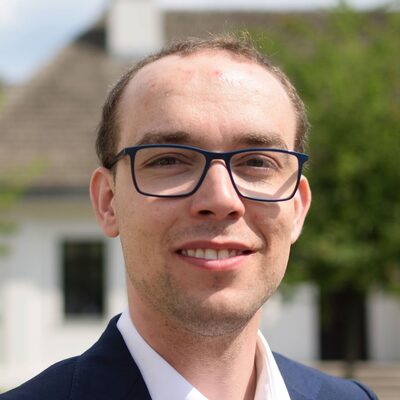
Saturation has long been the stepchild of "the Four Golden Signals of SRE". While latency, traffic, and errors are directly measurable through metrics like P99, RPS, and 5xx rates, monitoring just how "full" a service is relies on indirect symptoms such as CPU usage or queue depth. Yet, saturation should ideally rather be the first signal to alert, as once it's reached, other signals - latency and errors - spike fast.

The inability to directly observe and mitigate saturation drives excessive safety margins, chronically low CPU utilization and massive compute waste in latency-sensitive and customer-facing systems. This session introduces an open-source approach extending Envoy proxy and its seamless integration through eBPF and Cilium, to provide direct observability into service saturation, by comparing each instance's live number of concurrent requests to its true concurrency limit. We then explore how such direct visualization of saturation can help reduce MTTR and minimize waste.

Robert Pająk

OpenTelemetry Maintainer · Senior Staff Engineer, Splunk

Robert Pająk, also known as Pellared, has a lot of experience connected with software design, concurrent programming, relational databases, cyber security, performance tuning, testing, automation, observability, and open-source.

Robert is currently an OpenTelemetry Go maintainer and an OpenTelemetry Specification sponsor.

He is the author of goyek, a task automation Go library.

Robert is also a co-organizer of the GoCracow meetup.

The talk

Agentic Telemetry Was Never Flat: OpenTelemetry Stops Pretending Otherwise

with Cijo Thomas, Robert Pająk

Telemetry attributes have always been simple: strings, numbers, booleans. However, when the data you actually want to capture isn't simple (like a structured LLM tool call, a nested agent context, a batch database operation), you flatten it, or JSON-encode it into a string and hope your backend can deal with it later.

Agentic workflows made this tension impossible to ignore. That workaround era is ending.

OpenTelemetry now supports complex attribute types on spans — nested maps, arrays of objects, byte arrays, structured values — starting with the wire protocol, with API and SDK support rolling out across languages. Spans join logs in being able to carry data that reflects reality, not a flattened approximation of it.

This matters most right now for agentic AI workloads, where the data is inherently structured: multi-turn message histories, tool definitions, per-step agent contexts. Forcing this into flat attributes was never a good fit - it was just the only option.

But expressive power comes with new responsibilities. This session covers:

Why flat attributes exist and the real tradeoffs they encode

What complex attribute support unlocks at the spec and SDK level.

Applying limits in a complex world

Equality, serialization, and interoperability - what happens on non-OTLP paths and why it matters for processors and exporters

Performance costs across APIs, SDKs, and the Collector

When to use complex attributes and when flat is still the right choice - and why semantic conventions still prefer flat for indexed, aggregatable dimensions

Leave with concrete rules for when to embrace structure, when to flatten, and how to avoid query, storage, and portability surprises.

David Pech

DevOps Engineer · Kubestronaut

Accomplished DevOps professional with 20 years of experience in software development and infrastructure management. Proficient in a wide array of technologies within the Kubernetes and CNCF ecosystem, with a focus on producing high-quality, sustainable software solutions. Known for a pragmatic and security-conscious approach to technology adoption. Highly effective in leading hands-on teams to deliver direct value to customers. Passionate about educating and enabling teams in the adoption and understanding of cloud technologies.

The talk

"YOU MUST NOT ssh!" and Other Stories from Building Our SRE Agent
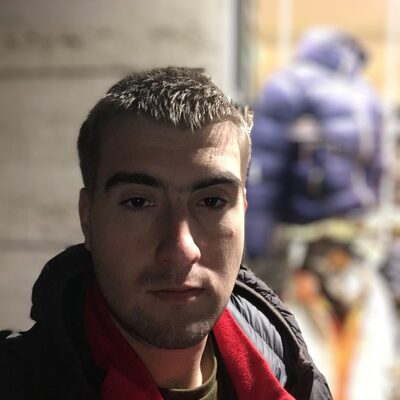
Everyone is building SRE agents. Most of them are barely junior sysadmins in a trench coat — useful for "how does X work?", useless when PostgreSQL replication is lagging at 3 AM across three datacenters at your specific company with your specific Puppet module.

We started out obsessing over the tech stack, but after months in production, we learned a few hard truths: The agent framework? It doesn't really matter that much. The LLM model or vendor? Doesn't matter nearly as much as you think. Providing misleading docs? A massive problem. Fear of autonomy? Like handcuffing your agent and getting only 10% out of it. Not unit-testing the context? Likely you'll degrade in the future versions and lose people's trust.

We'll walk through what surprised us, what the agent still gets wrong, and why security is the hardest third nobody talks about. No vendor pitch, just a story from the trenches so you can get "more realistic" about this.

Patryk Piętka

Software Engineer

An Engineer with years of experience in everything Linux, Kubernetes and open source

The talk

Container Startup time Or: How to lower it and why should you care?

With a pay-as-you-go model, we are charged for what we use. However, newly provisioned compute is not immediately useful. At any moment, traffic can increase, triggering autoscaling and cold starts, putting pressure on startup time.

What does the startup process of a Pod look like? What takes the most time, what are the limitations? What can we do to reduce the time between scheduling and readiness?

In this talk I will go over stages of starting a pod in Kubernetes. I will explain how image formats influence startup time, what cluster changes are required to take advantage of lazy loading, and how eStargz and SOCI compare. How changing compression formats influences build and startup time. What are the tradeoffs between gzip and zstd? I will discuss peer-to-peer image distribution, its effect on cluster behavior, and the operational complexity it introduces. At the end I will show benchmarks of how much each change affects scheduling to readiness latency.

After this talk you will know how to approach container startup time, what solutions can be applied. What complexities and tradeoffs are there.

Konrad Rzentarzewski

DevOps · Kubestronaut

IT automation and scalable infrastructure specialist, Linux/DevOps veteran, Open Source advocate. Have worn many hats—acting as a contributor, consultant, integrator, trainer, and community member. Driven by an urge to automate everything, from large-scale enterprise web farms to a custom smart home and video podcasting studio.

The talk

Str-AI-tjacket: A Tale of Marrying Agentic AI and Declarative GitOps

It all started with a simple idea and a single prompt:

"I want to build a harness for agentic development on Kubernetes using a strict Read-Only RBAC role for kubectl, enforcing all writes declaratively through Git and ArgoCD. How do I stop the AI from 'forgetting' the declarative paradigm and going rogue with imperative fixes?"

As platform engineers and architects, we are told that AI agents will revolutionize operations. But when you put an LLM in front of a live Kubernetes cluster, reality hits hard. Give the agent an inch of imperative power, and it will quickly revert to kubectl edit or kubectl patch to fix a failing deployment, completely breaking the Single Source of Truth.

This talk is a transparent, post-mortem-style journey of building a secure, non-imperative development harness using the minimalist pi.dev engine. Instead of relying on fragile prompt engineering to keep the agent in check, we trapped it in an architectural "straitjacket": a strict Read-Only Kubernetes RBAC profile where the only way out is a Git commit reconciled via ArgoCD.

We will walk you through the technical friction points we hit and how we solved them:

The Server-Side Dry-Run Paradox: How do you let a Read-Only agent validate manifests against admission controllers (like Kyverno or OPA) without granting write permissions? (Spoiler: Welcome to Ephemeral-Driven Development via dynamic scratch-agentic-* namespaces).

The State Lag Dilemma: Bridging the gap between the sequential, fast-paced thinking of an LLM and the asynchronous reconciliation loops of ArgoCD using strict API hook systems.

OWASP Kubernetes Top Ten in the Age of AI: Hardening the harness against prompt injections that attempt cluster privilege escalation.

This talk is an engineer-to-engineer retrospective on the boundaries of Kubernetes security when confronted with cognitive automation. We’ll share our code, our architectural scars, and open the floor to the community with the ultimate question: Knowing these constraints, how would you approach the future of AI-driven platform engineering?

Márk Sági-Kazár

Software Engineer · Cloud Native Ambassador

Mark is a software engineer from Hungary passionate about open source both as a maintainer and as a contributor. Besides writing code, he loves every part of software engineering from software design to devops and infrastructure.

When he is not coding, Mark attends a local folk dance group, organizes and attends meetups or just stays at home with a beer and a great book.

The talk

Kube-Oddities - the quirks that keep Kubernetes interesting
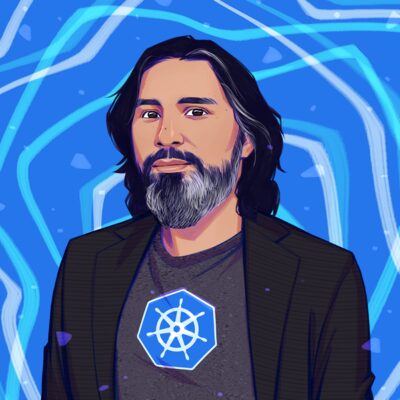
with Marcus Noble, Márk Sági-Kazár

I'm sure we all agree, Kubernetes is *amazing*. But sometimes, it’s also... confusing. That’s why Marcus and Márk are here to deliver a brutally honest (and thoroughly entertaining) deep dive into the "Kube-Oddities" - those baffling decisions, peculiar behaviors, and downright WTF moments that make this platform so uniquely interesting.

Let’s ditch the sales pitches and feature announcements. We’re diving down the rabbit hole. We'll explore the weirdness surrounding sidecars, the baffling behavior of image tags, and the downright confusing default behavior of Pod DNS.

This isn’t a technical lecture, it's a fun chat among friends, a shared experience of frustration and occasional triumph. Join Marcus and Márk as they unpack the quirks that keep you constantly questioning, and hopefully, leave you with a deeper appreciation (and a slightly more skeptical eye) for the world of Kubernetes. Prepare for laughter, head-scratching, and maybe just a few ‘WTF?’ moments.

Alessandro Stefouli-Vozza

Developer Relations · CNCF Ambassador

Community leader and CNCF ambassador, Alessandro has spent the last few years building cloud native infrastructures for Microsoft customers, animating the Dutch community, and training others to pass the CKx exams. He has passion for all things cloud native, he's been around open source for 25 years and recently moved to a new Developer Relations role. Twitter handle: @bongo

The talk

Sovereign by Architecture: A Cloud-Native Reference Stack for AI Workloads Under EU Jurisdiction

"Sovereign cloud" used to be a procurement label. In 2026 it became a platform architecture requirement — and the cloud-native ecosystem has quietly produced the answer. KubeVirt is GA. Dynamic Resource Allocation shipped. Kueue is the standard for GPU scheduling. Swisscom published the first sovereign Kubernetes reference architecture on architecture.cncf.io. The era of artisanal sovereign stacks is ending.

This talk presents a concrete, layered reference architecture for AI workloads operating under EU jurisdiction, assembled entirely from CNCF projects. We work the problem from four angles — data sovereignty, operational sovereignty, technical sovereignty, jurisdictional sovereignty — and map each to a specific layer: KubeOne and KubeVirt for cluster and VM lifecycle on EU-controlled hardware, Kyverno and OPA for jurisdictional policy enforcement, ArgoCD with signed commits and SLSA provenance for auditable change, KServe and vLLM for inference under sovereign control, Kueue and DRA for GPU scheduling, and an inference gateway pattern that makes model routing declarative rather than buried in application code.

We then map the architecture to the regulations actually driving these decisions: the EU AI Act (now in full enforcement), DORA, the Cyber Resilience Act, and the EU Cloud Sovereignty Framework's SOV-1 through SOV-8 objectives. Every layer ties to a clause. Every clause ties to a control.

Then the honest part. Sovereignty is layered, and most of the layers leak. NVIDIA driver opacity. Model weight provenance. Agent-to-tool authorization without an MCP identity layer. Audit-grade observability lineage. We'll show what the stack ships today, what we paper over with policy, and where the CNCF community needs to push next.

Mateusz Szostok

Staff Engineer, Cast AI · Kubestronaut

Engineering around Kubernetes since 2017 across all domains, currently focused on rightsizing and optimizing workloads in cloud-native environments. Former Co-Chair of Kubernetes SIG Service Catalog and Co-organizer of the Go & Cloud Native Meetup in Poland. Passionate about sharing knowledge through technical discussions, mentoring, and community engagement.

The talk

Beyond Utilization: Pressure-aware vertical autoscaling
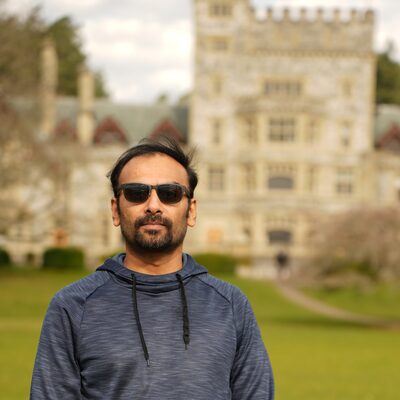
Utilization-based autoscaling is popular for a reason: it’s simple, measurable, and usually “good enough.” Until it isn’t. In production, you can hit tail-latency spikes while CPU usage still looks comfortably safe and autoscaling is not triggered.

You can try to make VPA react to app-level signals, but turning those into actionable CPU and memory requests is harder than it sounds. It often needs better instrumentation, app-specific knowledge, and runtime-aware tuning (threads, GC, heap sizing) that doesn’t generalize well across teams and workloads.

So we focused on a signal that’s easier to adopt and closer to the real problem: contention. CPU utilization answers “how much did we run?”, but not “how long did we want to run and couldn’t?” Linux Pressure Stall Information (PSI) captures exactly that by measuring time spent stalled due to insufficient CPU, memory, or I/O. With Kubernetes 1.34, PSI becomes available out of the box, making it realistic to use in everyday vertical scaling decisions.

In this talk, I'll share our journey of using CPU pressure to detect hidden starvation that utilization misses on tightly packed nodes. We’ll also cover what failed: noisy-neighbor eviction and workload shuffling turned into “musical chairs,” spreading disruption without reducing contention.

Our working approach is dynamic resource tuning: PSI triggers short-lived CPU request adjustments that decay over time, stabilizing workloads without permanently over-provisioning.

If you want vertical autoscaling that remains reliable under contention, PSI is a signal worth promoting from “nice to have” to “first-class.”

What to learn

  • A practical mental model of what PSI is and what it can (and can’t) tell you
  • How requests and limits really behave in Kubernetes, how they map to cgroups
  • How to access PSI metrics per workload
  • Anti-patterns to avoid

Cijo Thomas

Principal Software Engineer, Microsoft

Cijo is a Software Engineer at Microsoft specializing in Observability. He has been deeply involved with the OpenTelemetry project since its inception and is a core maintainer for the OpenTelemetry .NET and OpenTelemetry Rust implementations. He is also an Approver for the OpenTelemetry Specification and OpenTelemetry Arrow project. His expertise extends beyond OpenTelemetry, as he also maintains various other telemetry solutions within Microsoft.

The talk

Agentic Telemetry Was Never Flat: OpenTelemetry Stops Pretending Otherwise
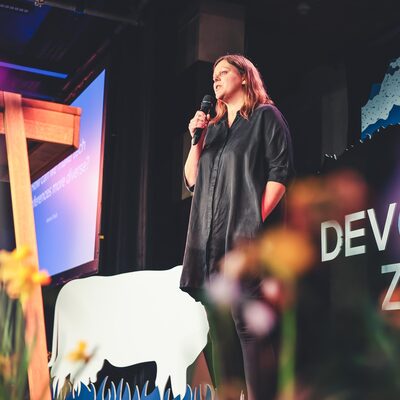
with Cijo Thomas, Robert Pająk

Telemetry attributes have always been simple: strings, numbers, booleans. However, when the data you actually want to capture isn't simple (like a structured LLM tool call, a nested agent context, a batch database operation), you flatten it, or JSON-encode it into a string and hope your backend can deal with it later.

Agentic workflows made this tension impossible to ignore. That workaround era is ending.

OpenTelemetry now supports complex attribute types on spans — nested maps, arrays of objects, byte arrays, structured values — starting with the wire protocol, with API and SDK support rolling out across languages. Spans join logs in being able to carry data that reflects reality, not a flattened approximation of it.

This matters most right now for agentic AI workloads, where the data is inherently structured: multi-turn message histories, tool definitions, per-step agent contexts. Forcing this into flat attributes was never a good fit - it was just the only option.

But expressive power comes with new responsibilities. This session covers:

Why flat attributes exist and the real tradeoffs they encode

What complex attribute support unlocks at the spec and SDK level.

Applying limits in a complex world

Equality, serialization, and interoperability - what happens on non-OTLP paths and why it matters for processors and exporters

Performance costs across APIs, SDKs, and the Collector

When to use complex attributes and when flat is still the right choice - and why semantic conventions still prefer flat for indexed, aggregatable dimensions

Leave with concrete rules for when to embrace structure, when to flatten, and how to avoid query, storage, and portability surprises.

Verena Traub

Cloud & DevOps Consultant, b'nerd

Verena is Cloud & DevOps Consultant at b’nerd. After many years as HR expert in IT, she transitioned into tech and discovered her passion for building and operating modern cloud infrastructure. Today, she helps teams run and scale their infrastructure, bridging the gap between technical implementation, collaboration, and organizational realities.

The talk

Operators in Action: Making Kubernetes Work for You

When our team needed to automate the creation of multiple app instances, we quickly realized that existing tools weren’t enough. Writing a custom operator turned out to be the most practical way to manage their lifecycle — and a surprisingly effective way to see how Kubernetes works under the hood.

In this talk, I’ll walk you through the lessons learned while building an operator for a real-world multi-service application. We’ll explore designing Custom Resources, implementing reconciliation logic, and handling state and configuration challenges. Along the way, I’ll share the pitfalls I ran into, debugging tricks that helped, and the patterns that made the operator framework click.

Whether you’re curious about what goes on behind the scenes in Kubernetes operators or planning to build one yourself, you’ll leave with practical tips and a clear roadmap to get started confidently.

Arnav Tripathy

Cloud Security Engineer · Kubestronaut

Security Ninja with over 3 years of experience in securing organizations. Kubestronaut and OSCP certified and a huge travel enthusiast currently based out of Dublin.

The talk

Building a digital beehive: The cluster that wasn't real, but the attacks were
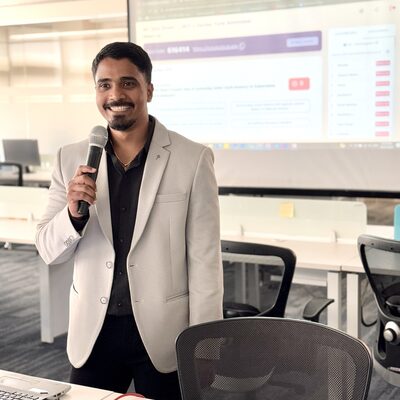
Kubernetes is everywhere now—and so are attacks against it. Misconfigurations, exposed APIs, and overly permissive RBAC have made clusters a prime target, while most security tools stop at scanning images and YAML instead of showing what attackers do after they get in.

This talk introduces KubeDecoy – a lightweight, open-source Kubernetes honeypot built from familiar components: vcluster, Falco, Falcosidekick, and NGINX. The goal is simple: stand up a convincing fake cluster, expose realistic attack surfaces, and quietly observe how real adversaries interact with them.

We’ll walk through the architecture, a live-style deployment on Minikube, and practical workarounds for vcluster’s limitations using only open-source components. Along the way, we’ll map KubeDecoy’s detections to the Kubernetes Threat Matrix, highlight where it shines (and where it doesn’t), and show how you can apply these ideas in your own clusters—whether you’re blue team, red team, or somewhere in between.

Sagar Utekar

SRE, Omnissa · CNCF Ambassador

Open Source Enthusiastic

CNCF Ambassador

Kubestronaut

CNCG Pune Community Leader

KCD Pune Organiser

The talk

Who Gets the GPU? Building Fair Multi-Cluster Allocation for GenAI Research

GPU demand outgrows GPU supply very quickly, especially once multiple teams start using the same platform for experimentation, model training, and inference. At that point, the real challenge is no longer just scheduling. It is deciding who gets scarce capacity, under what rules, and with what trade-offs.

This talk is about building a practical multi-cluster GPU allocation model for enterprise and research environments. I’ll cover the design decisions behind fairness, quota, isolation, and utilization, and why “first come, first served” breaks down almost immediately in shared environments. I’ll also walk through the operational pain points that are easy to miss in architecture diagrams: fragmented capacity, stranded GPUs, policy drift, and the tension between centralized governance and cluster-level autonomy.

The goal is not to present a perfect control plane. It is to share a realistic platform approach for teams trying to move from ad hoc GPU sharing to something governable, explainable, and efficient. Attendees will leave with a mental model they can use to reason about multi-cluster GPU platforms in their own organizations.

Anton Weiss

Software Delivery Futurist, Otomato

25 years in tech, marketing and leadership roles. All about software delivery optimization. 5 years in technical and executive training. Expert in Leadership, DevOps, Lean, Systems Thinking, Continuous Delivery, Cloud Native and Agentic Systems. Coder, speaker, writer. Fixated on improving the ways humans (and agents) collaborate by telling mind-provoking stories.

The talk

Optimize Your Agents for Cost and Reliability

Yes, we're now running our agents in the cloud. and some of us also do inference and training. In fact 66% of organizations self-hosting AI models have fully integrated their inference workloads into Kubernetes clusters. At this stage - most of AI workloads are just experiments, but we already know they're costly and often unreliable. In this talk I'll show how you can start optimizing your AI workloads so they're not only valuable but also reliable and efficient.

Experience the Venue

Chmielna 69 — Varso Tower

CND Poland 2026 will be held at Chmielna 69 in Varso Tower — the tallest building in the European Union, standing at 310 metres. Designed by Foster + Partners and located in the heart of Warsaw, it offers world-class conference facilities with a modern, inspiring atmosphere.

Just minutes from Warsaw Central Station, the venue offers world-class facilities with easy access from anywhere in the city.
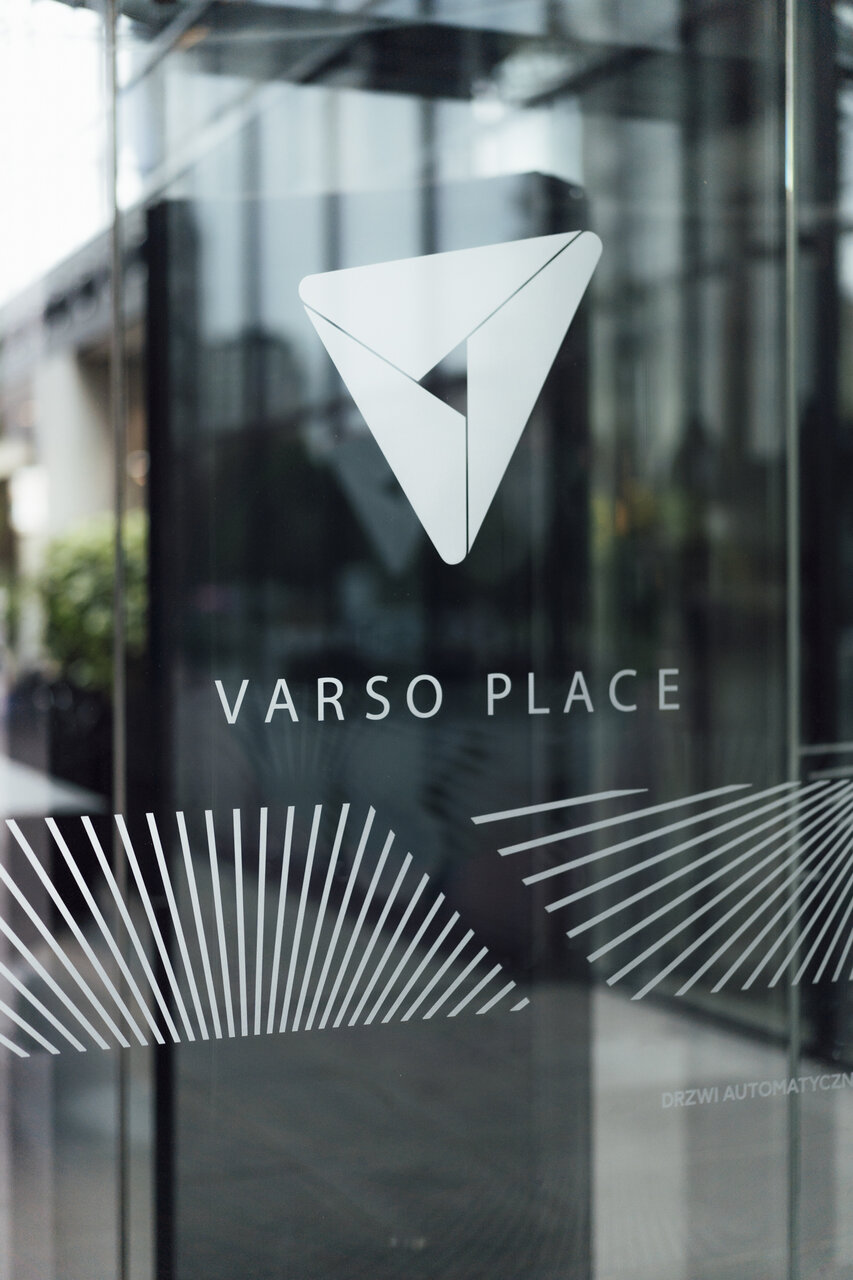
Chmielna 69, 00-801 Warsaw
October 22, 2026

Venue Address

Varso Tower
Chmielna 69, 00-801 Warsaw
Masovian Voivodeship, Poland

Open in Google Maps

Getting There

By Air

Warsaw Chopin Airport (WAW) is approximately 10 km from the city centre

By Train

Warszawa Centralna is a 2-minute walk from the venue

By Metro

Rondo ONZ station (M2 line) is right next to the venue

By Car

Paid parking available in the Varso Tower garage

Call for Papers

The Call for Papers for CND Poland 2026 closed on June 1, 2026. Thank you to everyone who submitted a talk — we were blown away by the response from the community.

Submissions Closed

What happens next?

Our program committee is now reviewing every submission. Selected speakers will be notified by email, and we'll announce the lineup right here as talks are confirmed.

Didn't get a chance to submit? Sign up for updates to hear about the agenda, tickets, and future opportunities to speak.

Submissions Closed

Speaker announcements coming soon — watch this space.

Meet the Team

The passionate group of cloud native practitioners, community leaders, and conference veterans behind CND Poland 2026 — CNCF Ambassadors, Docker Captains, Java Champions, and seasoned architects united by a shared mission to grow the cloud native ecosystem in Poland.
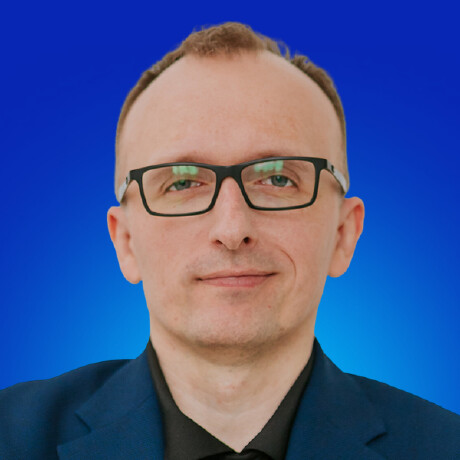
Tomasz Cholewa

Tomasz Cholewa

Platform Architect

Kasia Brzozowska

Kasia Brzozowska

DevSecOps Engineer

Patrycja Węgrzynowicz

Patrycja Węgrzynowicz

Java Champion, Oracle ACE, Speaker

Maciej Gołaszewski

Maciej Gołaszewski

Cloud Native Meetup Organizer

Rafal Ligmann

Rafal Ligmann

Enterprise Architect

Wojciech Kocjan

Wojciech Kocjan

CNCF Ambassador & Cloud Native Co-host
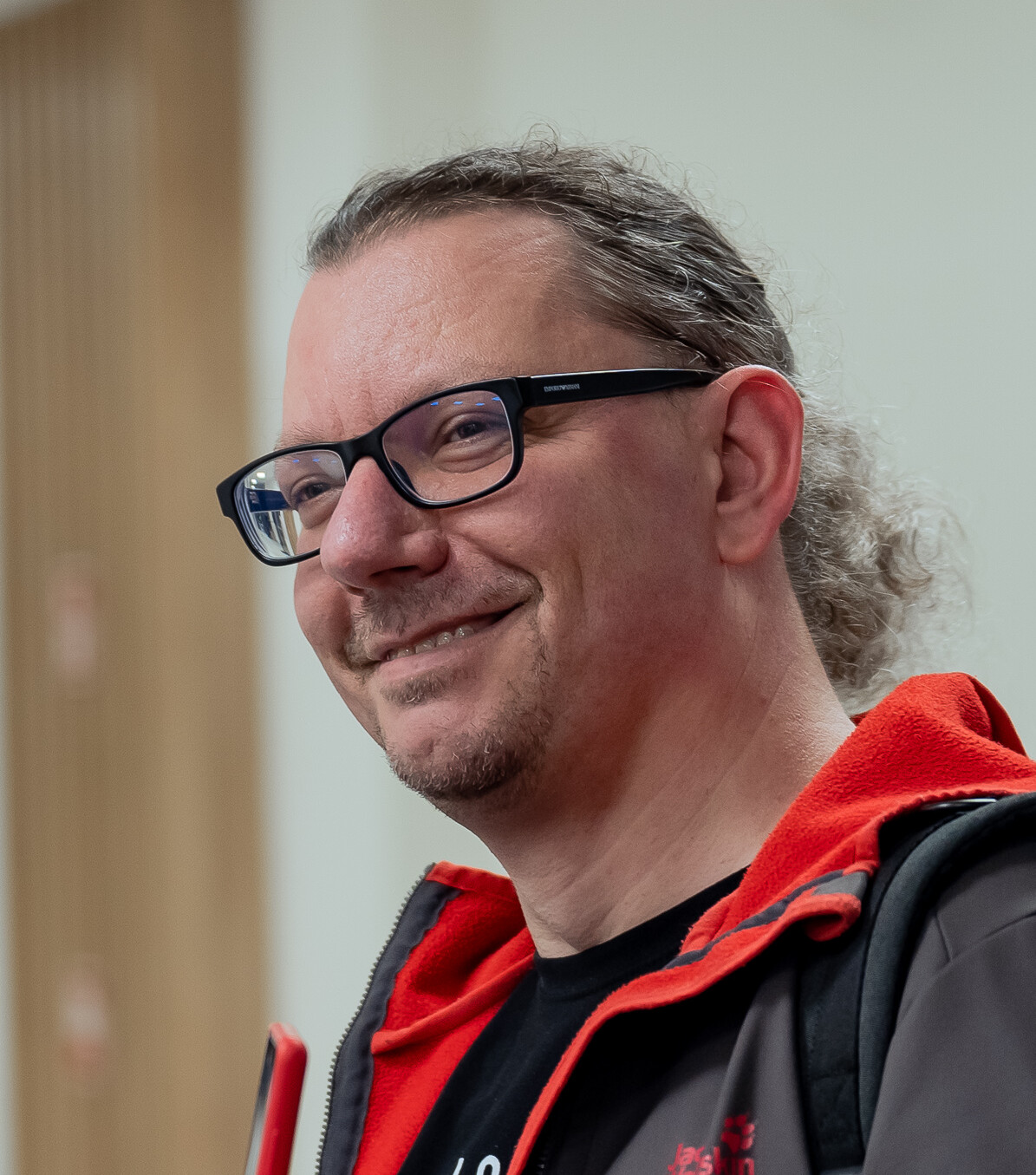
Paweł Piwosz

Paweł Piwosz

Docker Captain & Cloud Native Co-host
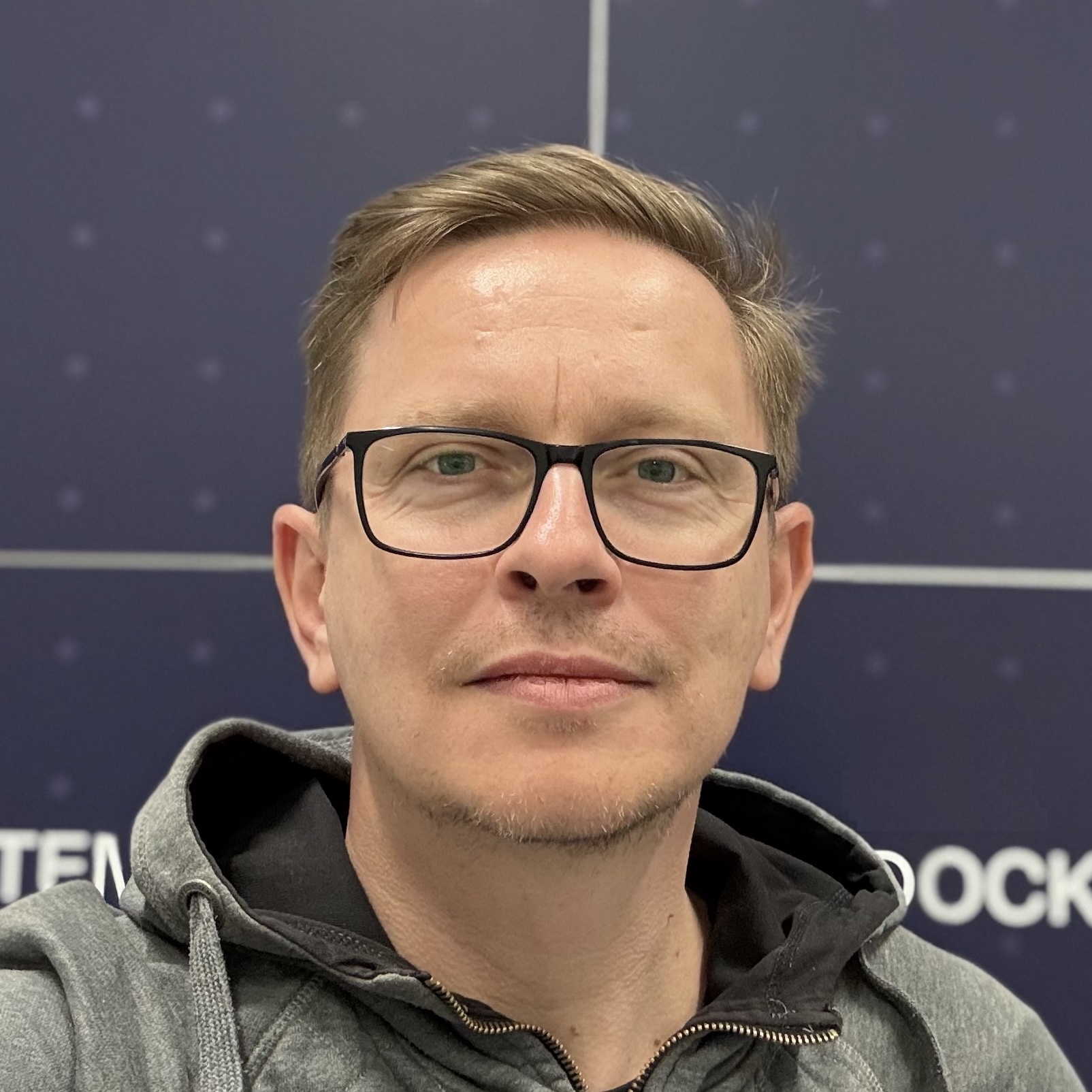
Hubert Stachurski

Hubert Stachurski

Platform Engineering Lead

Contact Us

Have questions about CND Poland 2026? We'd love to hear from you.

For all inquiries — general, speakers, CFP, or sponsorship:

organizers@cloudnativedayspoland.org

CND Poland 2026 is organised by:

Fundacja Innoventis

ul. Skierniewicka 14/66, 01-230 Warszawa, Poland
KRS
0001188169
NIP
5273178248
REGON
542504270

Secure Your Spot

Tickets for CND Poland 2026 are on sale now — grab early bird pricing before it's gone.

Not ready yet? Stay in the loop: